Circular fashion video marketing 2026: Enterprise playbook for resale, rental, repair, recycling, and transparency at scale
Estimated reading time: ~13 minutes
Key Takeaways
- 2026 demands AI-powered, hyper-personalized videos to scale resale, rental, repair, and recycling behaviors.
- Lifecycle video touchpoints convert ESG intent into measurable actions like trade-ins, DPP scans, and repair bookings.
- Localized creator content with strict compliance and moderation normalizes circular habits at scale.
- Green loyalty systems reward circular actions, lifting participation, retention, and LTV of conscious cohorts.
- Robust enterprise stacks (personalization, security, multilingual) are essential for scalable ROI and rapid iteration.
Circular fashion video marketing 2026 represents the strategic convergence of generative AI, hyper-personalized content, and the circular economy to operationalize sustainability at an enterprise scale. By 2026, the fashion industry will have shifted from performative CSR to a model where resale, rental, and repair are primary revenue drivers, necessitating a sophisticated video strategy to educate and convert conscious consumers. Platforms like TrueFan AI enable global brands to bridge the gap between environmental intent and measurable consumer action through automated, data-driven video orchestration.
The objective of this playbook is to move beyond mere awareness, focusing instead on driving high-value actions such as trade-ins, rental subscriptions, and textile recycling drop-offs. As global regulations tighten and consumer expectations for transparency reach an all-time high, the ability to deliver personalized, vernacular video content at every stage of the product lifecycle becomes a critical competitive advantage.
The Strategic Evolution of Circular Fashion Video Marketing 2026
The transition toward a circular economy is no longer a peripheral sustainability goal; it is a core business imperative for the 2026 fiscal landscape. India’s recommerce momentum signals a profound shift in consumer openness to pre-owned and refurbished products, supporting circularity while maintaining affordability for a burgeoning middle class. According to recent industry analysis, recommerce significantly reduces textile waste and extends product life, creating a secondary market that is projected to grow exponentially by 2026.
India’s apparel market is currently one of the fastest-growing globally, heavily influenced by Gen Z’s demand for value-led strategies and ethical consumption. Brands are increasingly revisiting their operational models, using data and efficiency as primary drivers to implement circular programs. These programs are most effective when amplified by video, which provides the visual proof and emotional resonance required to build trust in pre-loved or recycled goods.
For enterprise brands, circular fashion video marketing 2026 involves a lifecycle framework that utilizes personalized videos at every touchpoint. This includes post-purchase care guidance, trade-in valuations, rental onboarding, and supply chain transparency supply chain transparency videos 2026. By mapping each video’s call-to-action (CTA) to specific circular behaviors—such as scanning a Digital Product Passport (DPP) or initiating a repair request—brands can effectively convert ESG (Environmental, Social, and Governance) initiatives into high-performance marketing assets.
Sources:
- IBEF: Unlocking Potential — The Rise of the Recommerce Market in India
- RedSeer: Fashion Forward — Winning in India’s Fast-Growth Apparel Market
Sustainable Clothing Personalization and the Longevity Economy
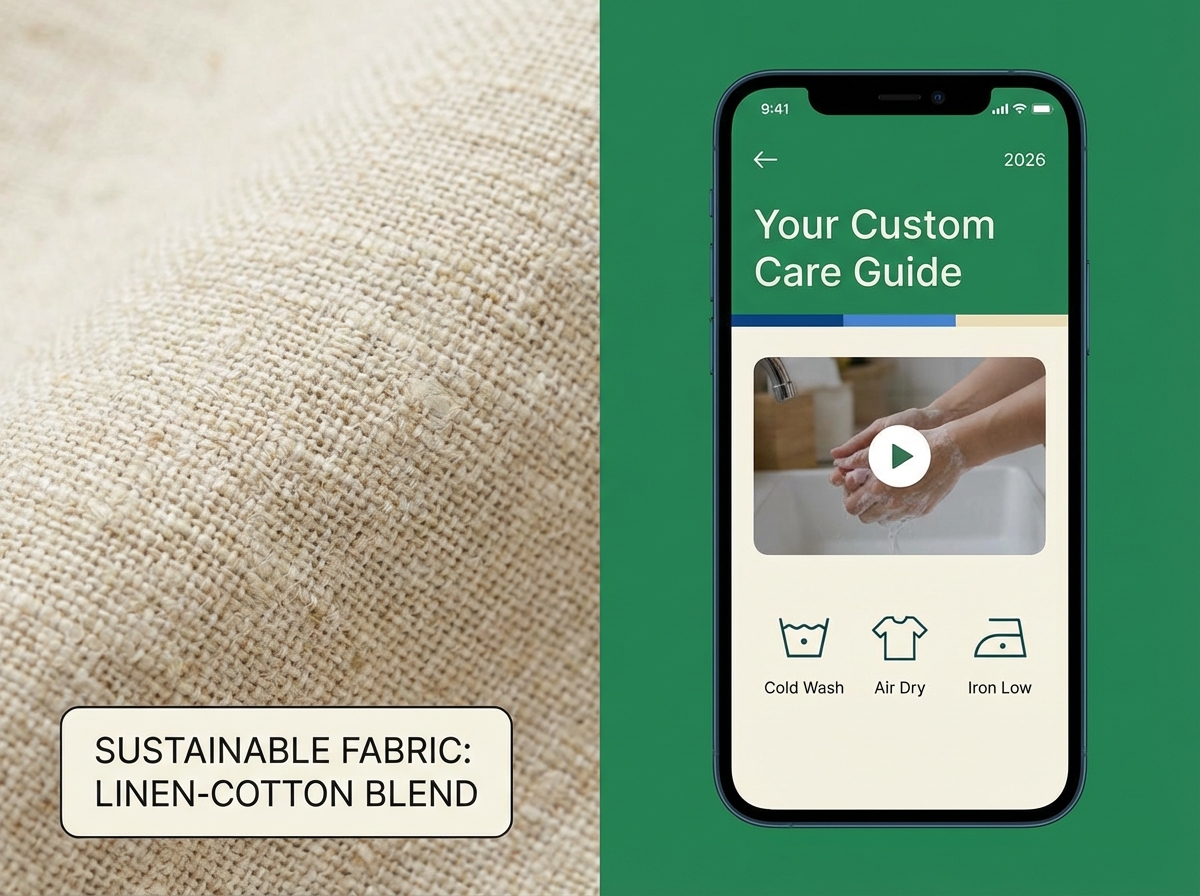
Sustainable clothing personalization is the practice of delivering hyper-personalized content that increases a product's lifespan by providing tailored care, storage, and repair guidance. In 2026, this is achieved by integrating SKU-level data with individual consumer usage patterns. Instead of generic “how to wash” instructions, a consumer receives a video titled “Your Organic Cotton-Linen Blend Care Guide,” specifically timed to their local climate and the garment's age.
These video interventions are triggered by specific data points, such as the purchase date or regional weather shifts. For instance, a brand might send a “Year-2 Tune-up” video to a customer who purchased a high-end wool coat, offering a discounted professional cleaning or a DIY de-pilling tutorial. By extending the use of a garment by just 30 additional wears, brands can reduce the carbon, water, and waste footprint of that item by nearly 20-30%.
TrueFan AI's 175+ language support and Personalised Celebrity Videos allow brands to deliver these care instructions through familiar voices and local dialects, significantly increasing engagement and retention. This level of personalization ensures that the information is not only seen but acted upon. The primary KPIs for this strategy include a measurable reduction in premature returns and an increase in the self-reported “wears per garment” among the brand's most loyal cohorts.
The technical delivery of these videos relies on deep CRM integration. By merging order history with material attributes, brands can generate thousands of unique video variants from a single master shoot. This “batch generation” approach allows for sub-30-second rendering times, ensuring that the content is delivered via WhatsApp or SMS ONDC personalized video onboarding at the exact moment the consumer needs it most.
Scaling Recommerce through Fashion Resale Program Videos
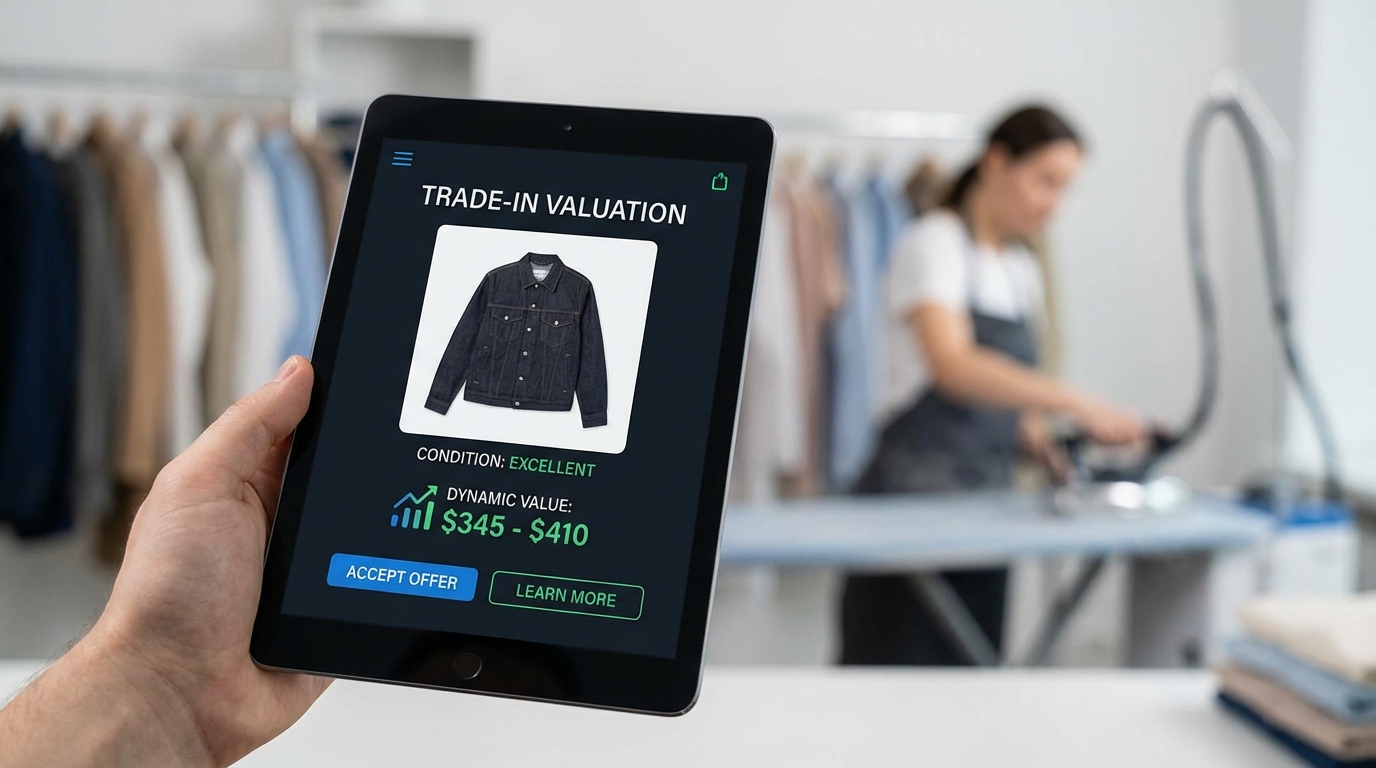
The rise of pre-loved fashion marketing has transformed the secondary market into a primary growth engine. Enterprise brands are now launching internal resale platforms to capture the value of their products multiple times. Fashion resale program videos are essential for reducing the friction associated with trade-ins and authentication. Personalized trade-in invites, featuring dynamic valuation explainers price optimization and transparency in India based on a customer's specific order history, can increase participation rates by over 40% compared to static email campaigns.
These videos serve as “Story of Your Item” films, walking the consumer through the authentication process, grading tiers (e.g., “Excellent” vs. “Gently Used”), and payout methods. For physical retail locations, QR codes on shelf talkers or at the Point of Sale (POS) can open a valuation video instantly, allowing customers to see the potential trade-in value of the items they are currently wearing or returning.
In the Indian context, the alignment of value-seeking behavior with sustainability goals makes recommerce a fertile ground for enterprise expansion. As consumers become more comfortable with refurbished goods, the role of video in establishing the “provenance” of a pre-owned item becomes paramount. By showing the journey of a garment—from its original owner to its professional cleaning and refurbishment—brands can command higher price points and build lasting trust.
The success of these programs is measured through resale Gross Merchandise Volume (GMV), the share of authenticated listings, and the repeat trade-in rate. TrueFan AI’s POS and e-commerce connectors enable brands to update these offers in real-time, ensuring that the valuation reflected in the video is always accurate based on current market demand and inventory levels.
Sources:
- IBEF: Recommerce Market Trends in India
- Ellen MacArthur Foundation: Circular Business Models — Fashion and the Circular Economy
Eco-friendly Fashion Campaigns and Influencer Orchestration
Eco-friendly fashion campaigns in 2026 have moved away from vague “green” imagery toward verifiable, action-oriented storytelling. These are always-on campaigns that tie brand pledges to specific circular actions, such as reaching a target for recycled content or establishing a certain number of take-back depots. To reach a diverse audience, these films must be localized by language and region, nano-influencer marketing for Bharat 2026 utilizing formats ranging from 6-second social shorts to 45-second Connected TV (CTV) spots.
A critical component of these campaigns is sustainable fashion influencer content nano-influencer strategies for Tier-3 marketing 2026. Influencers are no longer just “unboxing” new products; they are leading “haul to handoff” challenges, where they demonstrate how to trade in old items before acquiring new ones. These “30 wears challenges” and “repair with me” reels provide the social proof needed to normalize circular behaviors among younger demographics.
To maintain brand safety and compliance, enterprise brands must implement strict guardrails for creator-led content. This includes consent-first usage of talent and automated moderation micro-influencer automation in India 2026 to ensure that all environmental claims are substantiated. By using template libraries, brands can allow influencers to create content that feels authentic while remaining aligned with the brand's core sustainability messaging.
The effectiveness of these campaigns is tracked through view-through rates (VTR), QR scans to circular actions, and the cost per action (CPA) for behaviors like trade-in starts. By leveraging TrueFan AI’s ability to localize content into 175+ languages, brands can ensure that their eco-friendly message resonates in every tier-2 and tier-3 city, where the next wave of conscious consumers is emerging.
Clothing Recycling Rewards Videos and Green Loyalty Systems
To close the loop, brands must incentivize the end-of-life phase of the garment. Clothing recycling rewards videos gamify the take-back process, turning a chore into a rewarding brand experience. These videos are often triggered by a receipt scan or an app check-in, providing a “how-to” guide for the nearest drop-off point and a dynamic tutorial on the rewards the user has earned.
Green fashion loyalty programs are the structural backbone of this effort. These programs feature tiers based on circular actions rather than just spending. A customer might move from a “Silver” to a “Gold” tier by completing three trade-ins or attending a brand-sponsored repair workshop. The rewards for these actions include store credits, early access to pre-loved drops, or vouchers for professional garment care.
Video touchpoints within these loyalty programs include “Impact Year in Review” films, which show the customer exactly how many kilograms of textile waste they helped divert from landfills. These achievement celebration videos, generated in real-time, foster a sense of community and purpose, leading to a significant uplift in Lifetime Value (LTV) for “green” cohorts.
The KPIs for these initiatives focus on the drop-off participation rate and the cost per kilogram of textile collected. In 2026, the integration of loyalty APIs with video generation platforms allows for instant, personalized confirmations. When a customer drops off a bag of old clothes, they receive a video within 30 seconds thanking them by name and showing their updated loyalty progress.
Fashion Transparency Videos and the Digital Product Passport
Transparency is the foundation of trust in the 2026 fashion market. Fashion transparency videos provide byte-sized explainers for every SKU, often linked directly to a Digital Product Passport (DPP). These videos cover the origin of the materials, the specific dyes and finishes used, the location of the factory (CMT - Cut, Make, Trim), and the transit route the item took to reach the consumer.
Sustainable material education is a key subset of this transparency. Short videos explain the benefits of materials like TENCEL, hemp, or recycled polyester, providing specific care instructions to ensure durability. By placing QR codes on hangtags that lead to these videos, brands can educate consumers at the exact moment of purchase, reducing care-related returns and increasing the likelihood of the item being recycled correctly at the end of its life.
Ethical fashion storytelling further humanizes the supply chain by featuring clips of safe factories, artisan partnerships, and living income commitments. In India, positioning local artisanship and the traditional “repair culture” as a brand strength is particularly effective. These videos should include time-stamped audits and facility geo-tags to provide verifiable proof of ethical practices, moving beyond the risk of greenwashing.
The success of transparency initiatives is measured by DPP scans per 1,000 impressions and the total watch time of transparency content. By connecting video pipelines to SKU-level data, enterprise brands can automatically generate variants for every item in their catalog, ensuring that no product is left without a verifiable story.
Sources:
- RedSeer: The Importance of Transparency in Indian Apparel
- European Commission: Digital Product Passport Requirements 2026
Sustainable Fashion ROI Measurement and Enterprise Implementation
Measuring the success of circular initiatives requires a new framework that moves beyond immediate sales to long-term value creation. Sustainable fashion ROI measurement links video exposures to specific lifecycle outcomes across a map of awareness, action, and loyalty. Awareness is measured through VTR and transparency watch time, while action is tracked through trade-in completions, rental renewals, and repair bookings.
Revenue impact is calculated by looking at the GMV lift from resale platforms, the Average Revenue Per User (ARPU) for rental subscribers, and the reduction in warranty and return costs. Solutions like TrueFan AI demonstrate ROI through their ability to run large-scale holdout tests and geo-experiments, allowing brands to see the exact conversion lift generated by personalized video interventions compared to static controls.
The enterprise stack required to execute this strategy must be robust, secure, and highly integrated. It includes:
- Personalization at Scale: The ability to render millions of 1:1 videos with sub-30-second latency.
- Virtual Reshoots: Updating offers and product lines without the need for expensive new shoots.
- Compliance & Security: Adherence to ISO 27001 and SOC 2 standards, ensuring that consumer data and celebrity likenesses are protected.
- Multilingual Support: Reaching global audiences in 175+ languages to ensure true democratization of the circular message.
The roadmap for implementation begins with a 30-day data audit of CRM and SKU systems, followed by a pilot launch in two key markets. By day 120, brands should be scaling to additional regions and integrating their loyalty programs with automated video generation. This phased approach ensures that the circular strategy is grounded in data and refined through continuous A/B testing.
Conclusion
Circular fashion video marketing 2026 is the definitive strategy for enterprise brands looking to thrive in an era of conscious consumption. By turning ESG intent into measurable actions—across resale, rental, repair, and recycling—brands can drive significant GMV growth while building a foundation of radical transparency. In India’s fast-growing and value-conscious market, the ability to deliver these messages through personalized, vernacular video is no longer optional; it is the key to long-term market leadership. To begin this transformation, brands should initiate a 60-day pilot focusing on trade-in and recycling rewards, leveraging the TrueFan AI enterprise stack to prove the lift in engagement and circular participation.
Frequently Asked Questions
What are fashion transparency videos and how do they reduce returns?
Fashion transparency videos are short, data-driven explainers linked to a product's Digital Product Passport. They provide detailed information on material composition, factory conditions, and specific care instructions. By educating the consumer on the exact fit and care requirements of a garment before and after purchase, brands can reduce returns caused by improper care or mismatched expectations.
Do clothing recycling rewards videos actually increase take-back rates?
Yes, by gamifying the recycling process and providing clear, visual “how-to” instructions, these videos significantly lower the barrier to participation. When combined with instant loyalty rewards and local drop-off finders, brands often see a 25-35% increase in take-back participation compared to static informational pages.
How can brands measure sustainable fashion ROI effectively?
ROI is measured by tracking the conversion of video viewers into circular participants. This includes monitoring the volume of trade-ins initiated, the retention rate of rental subscribers, and the increase in LTV for customers engaged in “green” loyalty tiers. Enterprise tools like TrueFan AI provide the analytics dashboards necessary to correlate video engagement with these specific circular outcomes.
How does sustainable clothing personalization impact brand loyalty?
Personalization fosters a deeper emotional connection between the consumer and the brand. When a brand provides tailored advice on how to make a specific garment last longer, it demonstrates a commitment to the consumer's investment rather than just pushing the next sale. This builds long-term trust and significantly higher retention rates.
What role does AI play in circular fashion video marketing 2026?
AI is the engine that allows for the mass-personalization of video content. It enables the automated generation of thousands of video variants, the translation of content into 175+ languages, and the real-time integration of CRM data to ensure that every video is relevant to the individual recipient.