Pre-monsoon healthcare marketing 2026: The AI personalization playbook for India
Estimated reading time: ~16 minutes
Key Takeaways
- AI orchestration blends IMD forecasts, hyper-local health data, and CRM signals to predict and pre-empt seasonal illness risks.
- Personalized multilingual videos drive higher engagement and adherence, turning awareness into preventive actions.
- Offer playbooks for immunity, water safety, and repellents work best when timed to environmental triggers and local conditions.
- Automation with family-specific nudges and gamification sustains engagement and builds durable loyalty.
- ROI frameworks should attribute revenue to video-driven journeys, improving LTV while reducing CAC.
The transition from the scorching heat of March to the humid anticipation of April marks a critical inflection point for the Indian healthcare ecosystem. For marketing leaders across pharmaceutical giants, diagnostic chains, and wellness brands, pre-monsoon healthcare marketing 2026 is no longer about generic awareness; it is about precision-engineered preventive care. As the subcontinent prepares for the inevitable surge in vector-borne and water-borne pathologies, the window for proactive engagement is narrowing.
Success in this high-stakes environment requires moving beyond traditional “one-to-many” broadcasting. The modern Indian consumer, empowered by digital health literacy and high expectations for brand relevance, demands personalized interventions. By leveraging advanced AI stacks, brands can convert seasonal health anxiety into structured, trust-based preventive wellness subscriptions. This playbook outlines the strategic framework for deploying hyper-personalized, data-driven campaigns that safeguard public health while maximizing enterprise ROI.
The AI stack for seasonal illness prevention marketing
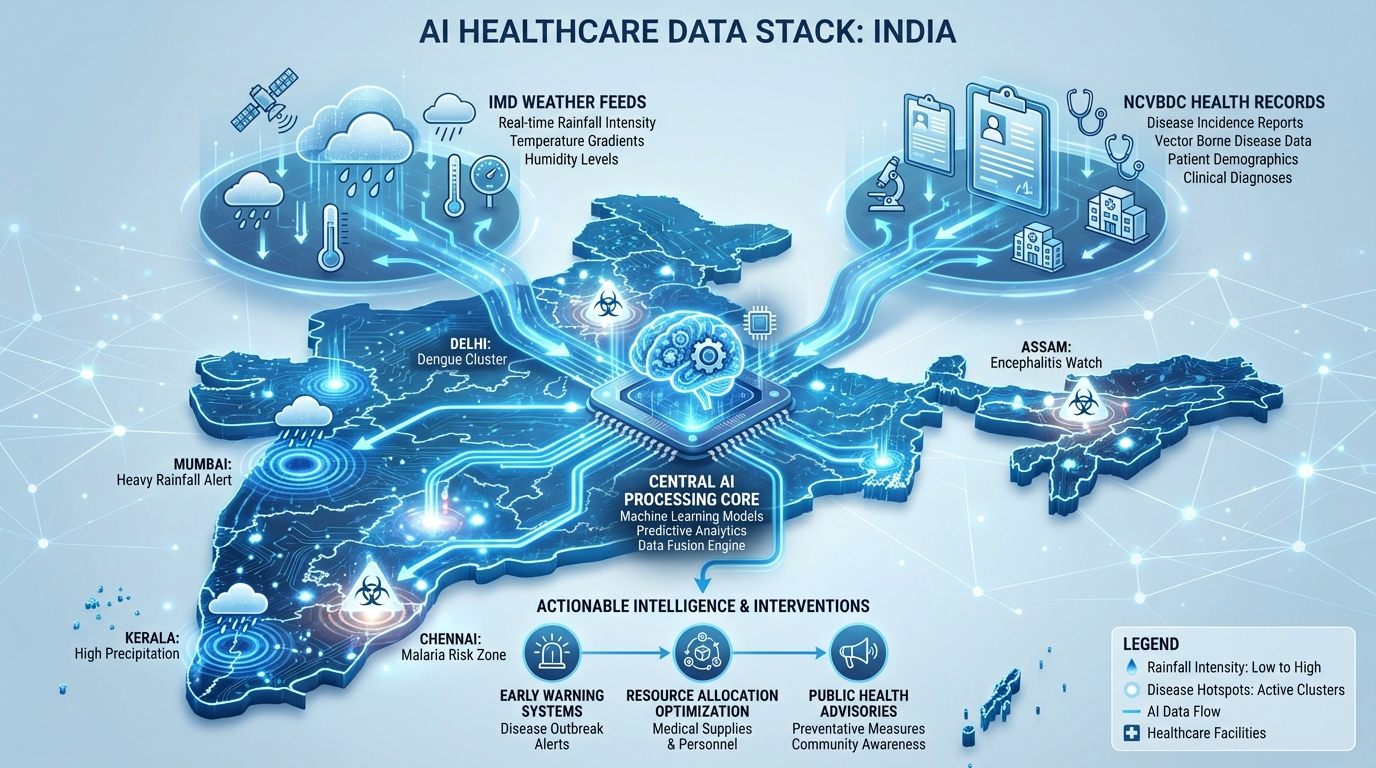
Building a resilient infrastructure for seasonal illness prevention marketing requires a sophisticated synthesis of real-time data signals and automated creative orchestration. In 2026, the integration of Indian Meteorological Department (IMD) forecasts with hyper-local health data allows brands to anticipate outbreaks before they manifest. This predictive capability is the foundation of a modern healthcare marketing stack.
The architecture begins with data ingestion—aggregating Pincode-level rainfall data, historical disease hotspots from the National Center for Vector Borne Diseases Control (NCVBDC), and first-party CRM insights. Platforms like TrueFan AI enable enterprises to transform these complex data points into human-centric narratives through dynamic video generation. By automating the creative process, brands can deploy thousands of unique video variants that address specific regional risks, such as rising stagnant water levels in urban clusters or humidity-linked respiratory triggers in coastal belts.
Orchestration is the next layer, where triggers are set based on environmental thresholds. For instance, if a specific district in Maharashtra records a 20% increase in pre-monsoon humidity, the system automatically triggers a regional health alert personalization sequence. This sequence delivers a multilingual video via WhatsApp, explaining the immediate steps for mosquito breeding prevention. The feedback loop is completed through real-time analytics, where engagement metrics—such as video completion rates and CTA clicks—inform the next stage of the patient journey, ensuring the marketing remains agile and contextually relevant.
Sources:
- IMD Weather/Forecast Portal
- NCVBDC Disease Situation
- Netcore Cloud: Mastering Email Deliverability 2025
Campaign playbooks for awareness and prevention
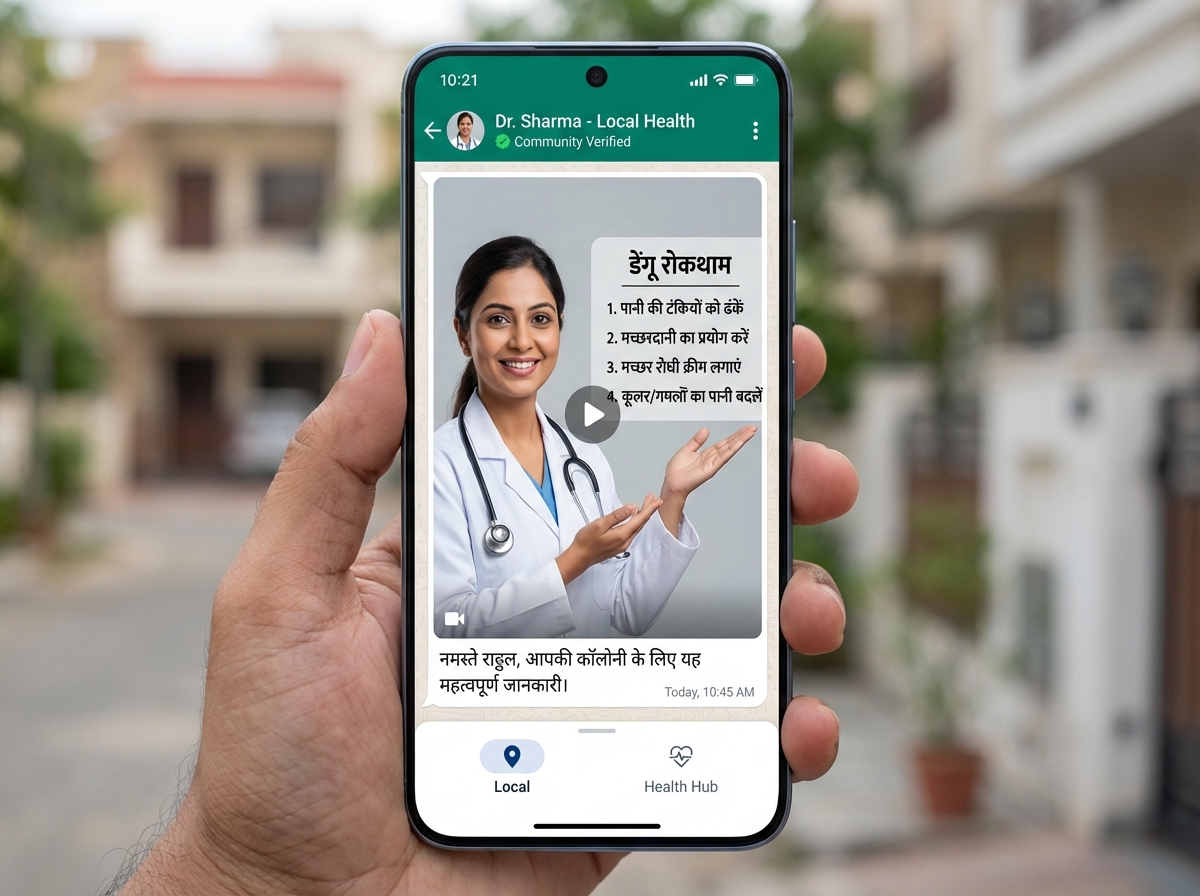
The core of pre-monsoon healthcare marketing 2026 lies in the ability to deliver actionable intelligence through monsoon disease awareness videos. These are not mere advertisements; they are public health utilities. By utilizing AI-driven video synthesis, a diagnostic brand can send a personalized message to a mother in Bengaluru, naming her child and highlighting the specific dengue risk in her neighborhood based on recent civic reports.
Effective dengue malaria prevention campaigns must move from abstract warnings to concrete, household-level checklists. AI allows for the creation of “living” videos that update based on the viewer’s interaction. A video might start by showing the 3-5 critical actions to take this week—such as cleaning AC trays or checking overhead tanks—and then provide a direct link to book a professional home sanitization service. This seamless transition from education to execution is what drives measurable health outcomes.
Furthermore, these campaigns must be culturally and linguistically nuanced. In a country with 22 official languages and hundreds of dialects, a “one-size-fits-all” English or Hindi campaign misses over 70% of the targetable population in critical hotspots. AI-powered translation and lip-sync technology ensure that a high-production-value message from a trusted medical expert or brand ambassador can be rendered in Marathi, Telugu, or Bengali with perfect local resonance, significantly increasing the trust and adherence rates of the preventive advice provided.
Sources:
AI video playbooks for offers and family protection
As the monsoon approaches, consumer spending shifts toward protective categories. Brands can capitalize on this through immunity booster personalization videos that recommend evidence-based micronutrients like Vitamin C, Zinc, and Vitamin D. By analyzing a user’s age, dietary preferences, and past purchase history, AI can generate a video that explains why a specific supplement is necessary for their specific demographic during the rainy season, without making unsubstantiated cure claims.
The strategy of vitamin supplement urgency marketing is particularly effective when aligned with the first predicted rains. By creating a sense of “pre-monsoon preparation,” brands can encourage bulk purchases of family wellness packs. AI-driven scarcity messaging—such as “Only 48 hours left to secure your monsoon immunity kit before the rains hit Mumbai”—delivered through a personalized video, has been shown to increase conversion rates by up to 40% compared to static banners.
Similarly, water purifier offer personalization and mosquito repellent video campaigns benefit from hyper-local context. A water purifier brand can trigger a video offer when local municipal water turbidity levels rise, explaining the specific filtration technology needed for that area’s TDS levels. For mosquito repellents, the focus should be on safety and efficacy, using AI to demonstrate the correct application of patches or gels for infants versus adults, thereby positioning the brand as a partner in family health rather than just a commodity provider.
Sources:
Preventive programs and automation
The ultimate goal of pre-monsoon healthcare marketing 2026 is to transition episodic customers into long-term subscribers. A preventive wellness subscription India model offers a bundled approach, including diagnostics, teleconsultations, and supplement refills. AI automates the onboarding process, creating a personalized “Welcome to your Monsoon Shield” video that explains the subscription benefits, introduces the dedicated health manager, and sets up the first diagnostic appointment.
To maintain engagement, brands must implement family health protection automation. This involves a series of scheduled “nudges” delivered via WhatsApp. For example, a “Tank Cleaning Reminder” in week 2 of April, followed by a “Net Installation Check” in week 4. By segmenting these nudges for households with children or seniors, the brand demonstrates a deep understanding of the family’s unique vulnerabilities. This level of care fosters intense brand loyalty that persists long after the monsoon ends.
Furthermore, medical checkup reminder automation ensures that high-risk individuals—such as those with chronic conditions that might be exacerbated by seasonal changes—stay on top of their health. Integrating wellness journey gamification adds a layer of behavioral science to the mix. Users can earn points or UPI-linked cashbacks for completing their “Monsoon Readiness” tasks, with their progress celebrated through personalized milestone videos. This gamified approach transforms mundane preventive tasks into a rewarding experience, significantly improving adherence rates.
Sources:
Regional health alert personalization and insurance
In 2026, the ability to deliver regional health alert personalization is a major competitive advantage. India’s diverse geography means that while Kerala might be facing heavy flooding and a risk of leptospirosis, Delhi might be dealing with a sudden spike in dust-related respiratory issues pre-rain. AI allows brands to bifurcate their messaging instantly. Multilingual videos can be rendered in real-time to explain immediate household actions, such as boiling water in flood-prone zones or using specific masks during dust storms.
This regional precision extends to health insurance seasonal offers. Insurers can use the pre-monsoon window to educate policyholders on vector-borne disease riders. A personalized video can explain, in the customer’s native language, how a small add-on premium can cover the high costs of hospitalization for dengue or malaria. By simplifying complex policy terms through visual storytelling, insurers can drive higher uptake of these essential riders during the March-April period.
Integrating IRDAI-compliant wellness features into these offers is crucial. By leveraging the IRDAI “Wellness and Preventive Features” guidelines, insurers can legally bundle diagnostic checkups and fitness rewards into their monsoon campaigns. This not only provides immediate value to the customer but also helps the insurer manage risk by promoting early detection and healthy behaviors. The transparency provided by AI-driven explainer videos ensures that customers fully understand how to accrue and redeem these wellness points, enhancing the overall perceived value of the policy.
Sources:
Preventive care ROI measurement and TrueFan AI integration
Quantifying the success of these initiatives requires a robust framework for preventive care ROI measurement. In 2026, marketing leaders are looking beyond vanity metrics like “likes” or “shares.” They are focusing on incremental revenue, cost avoidance, and long-term Lifetime Value (LTV) uplift. By tracking the journey from a personalized video view to a subscription purchase or a diagnostic booking, brands can attribute specific revenue streams to their pre-monsoon interventions.
TrueFan AI’s 175+ language support and Personalised Celebrity Videos provide the scale and engagement necessary to drive these metrics. By using celebrity voices or trusted medical avatars to deliver personalized health advice, brands can achieve significantly higher watch times and CTA click-through rates. Solutions like TrueFan AI demonstrate ROI through higher conversion on high-margin preventive products and a reduction in customer acquisition costs (CAC) by leveraging the high viral potential of personalized content.
The integration of TrueFan AI into the enterprise CRM allows for a seamless flow of data. When a user interacts with a video, the sentiment and engagement data are fed back into the CRM, allowing for even more refined retargeting. For example, if a user watches a video about dengue prevention but doesn’t book a test, the system can automatically follow up with a “Limited Time Offer” video for a home-collection diagnostic kit. This level of automated, intelligent persistence is what defines the leaders in the 2026 healthcare marketing landscape.
Sources:
45-day pre-monsoon launch plan (March–April 2026)
Executing a successful pre-monsoon healthcare marketing 2026 strategy requires a disciplined 45-day countdown. The first two weeks of March must be dedicated to data wiring and creative foundation. This involves integrating the CRM with AI video platforms and defining core audience segments—such as families with young children or individuals with pre-existing respiratory conditions. During this phase, brands should build their core templates for awareness, prevention, and product offers.
Weeks three and four are for piloting and optimization. Launching the campaigns in select high-risk hotspots allows the marketing team to test different triggers and messaging variants. For instance, does a “fear-based” message about dengue work better than an “empowerment-based” message about family protection? AI-driven A/B testing can provide these answers in real-time, allowing for rapid adjustments before the national rollout.
The final two weeks of April are for national scaling and monetization. This is when the preventive wellness subscription India offers are pushed aggressively, alongside vitamin supplement urgency marketing and health insurance seasonal offers. By the time the first rains hit in May, the brand should have already secured its revenue and, more importantly, established itself as the primary health partner for its customers. This proactive approach ensures that the brand is not just reacting to the monsoon but is actively shaping the health outcomes of its audience.
Sources:
Frequently Asked Questions
When should pre-monsoon healthcare marketing 2026 campaigns launch?
The ideal window is March to April. This allows brands to build awareness and drive preventive actions before the first rains trigger the actual surge in illnesses. Starting early ensures your brand is the “top-of-mind” solution when the risk becomes tangible.
What should dengue malaria prevention campaigns include to be effective?
Effective campaigns must be hyper-local and actionable. They should include Pincode-specific risk alerts, visual checklists for eliminating breeding sites, education on repellent use, and direct links to book diagnostic tests or purchase protective gear.
How does TrueFan AI help in scaling these personalized campaigns?
TrueFan AI provides the infrastructure to generate thousands of personalized, multilingual videos in minutes. By integrating with your CRM, it can automatically trigger videos that address a customer by name and provide health advice tailored to their specific location and family needs.
How can brands ensure compliance with healthcare marketing regulations in India?
Compliance is maintained by adhering to the DPDP Act for data privacy, following IRDAI guidelines for insurance-linked wellness offers, and ensuring all medical advice is aligned with NCVBDC and WHO standards. Always include clear medical disclaimers and avoid making “cure” claims for supplements.
What are the key metrics for measuring preventive care ROI?
Key indicators include video completion rates, CTR on health checklists, the number of new preventive wellness subscriptions, uptake of insurance riders, and long-term reduction in claim ratios for seasonal illnesses among the engaged cohort.