Supply Chain Transparency Marketing 2026: Real-Time Visibility Videos, Ethical Sourcing Personalization, and Verified Sustainability for FMCG and Manufacturing
Estimated reading time: ~13 minutes
Key Takeaways
- Transparency shifts from static claims to real-time visual proof using AI-powered visibility videos and live data overlays.
- Ethical sourcing personalization humanizes supply chains with supplier stories, certifications, and community impact.
- Sustainability tracking automation converts ESG and IoT data into verifiable consumer narratives with blockchain-backed proof.
- Regulatory alignment with SEBI BRSR Core and ASCI green claims guidelines reduces risk and builds trust.
- A 90-day implementation playbook operationalizes data, governance, and creative at scale for FMCG and manufacturing.
Supply chain transparency marketing 2026 represents the definitive shift from static "About Us" pages to dynamic, data-driven narratives that prove operational integrity in real-time. In an era where consumer skepticism is at an all-time high, brands are winning trust by making their supply chains “watchable” through AI-powered visibility videos, sustainability tracking automation, and blockchain verification marketing.
By 2026, the global FMCG and manufacturing sectors will no longer view transparency as a peripheral ESG report but as a core driver of operational excellence marketing. This evolution is fueled by a convergence of stringent regulations, such as India’s SEBI BRSR Core mandates, and a sophisticated conscious consumer engagement model that demands verifiable transparency trust signals at every digital touchpoint.
The working thesis for the 2026 landscape is clear: trust is no longer granted; it is verified. Brands that successfully integrate real-time tracking videos and supplier story personalization into their customer journeys will see a measurable reduction in perceived risk and a significant lift in long-term brand equity.
1. Real-Time Visibility: Deploying AI-Powered Visibility Videos for Radical Trust
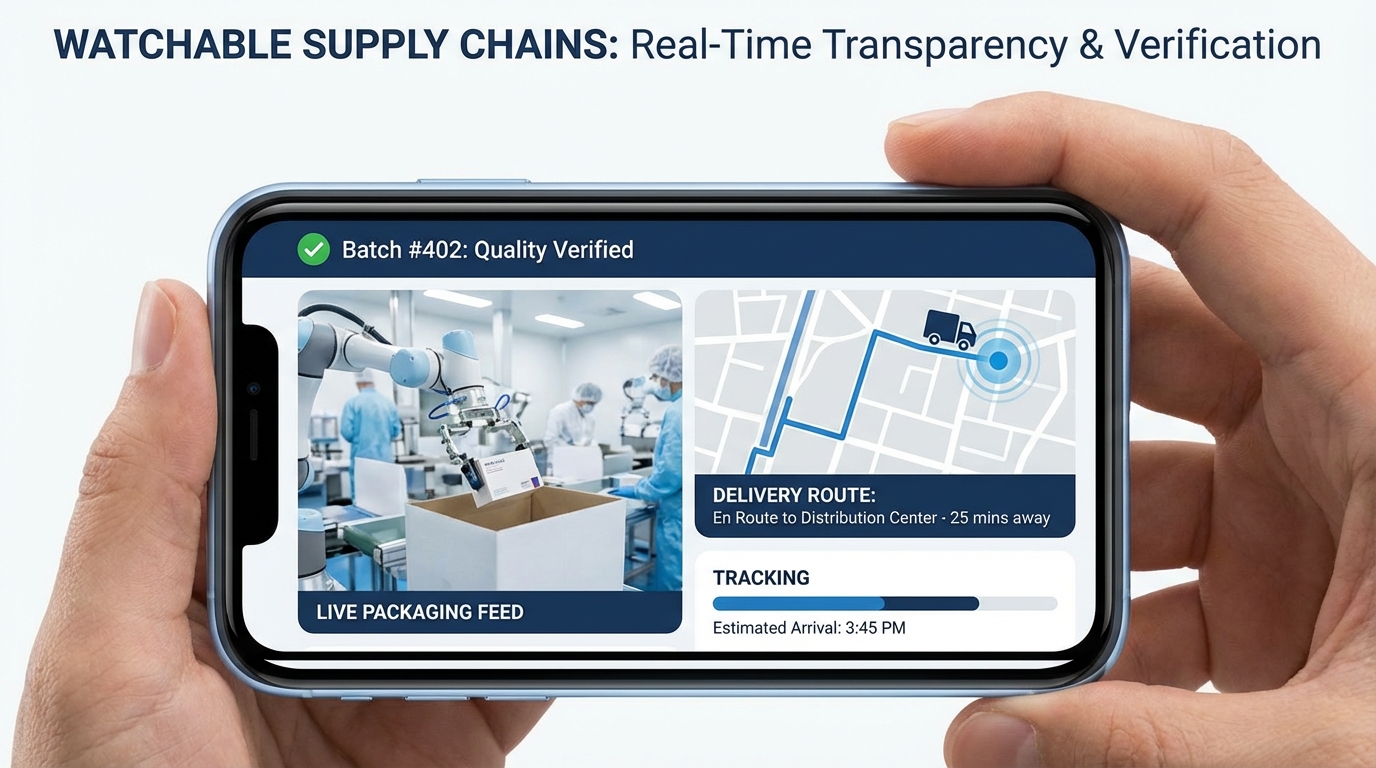
The cornerstone of supply chain transparency marketing 2026 is the transition from "estimated" to "actual" visibility. AI-powered visibility videos are automatically generated, data-driven short clips that visualize real-time status—including location, production milestones, ETA, and quality exceptions—for a specific shipment or production batch. TrueFan AI: Quick-commerce video personalization in India
For Manufacturing and FMCG enterprises, these videos serve as a proactive supply chain crisis prevention tool. By embedding a "Watch Your Order" module directly on Product Detail Pages (PDPs) or order tracking interfaces, brands can demystify the complex journey of a product. These videos utilize real-time data rendered via API/webhooks from ERP, TMS, and MES events, ensuring that the visual content is always synchronized with the physical reality of the supply chain.
Tactically, this involves a multi-layered approach to operational excellence marketing. On the PDP, a "Watch it now" module can display the latest batch status, factory QA pass rates, and a route snapshot. On order tracking pages, per-order real-time tracking videos provide a personalized route map and milestone ticks, which significantly reduces "Where Is My Order" (WISMO) inquiries. Platforms like TrueFan AI enable enterprises to scale this production, turning raw logistical data into high-fidelity video assets that resonate with the modern consumer.
In 2026, 78% of global supply chain leaders are expected to prioritize real-time visual proof over static tracking numbers to combat rising consumer anxiety regarding delivery timelines and product origin. This shift is not merely about aesthetics; it is about providing a verifiable layer of truth that consumers can see and trust.
Sources:
- SEBI: BRSR Core framework for assurance and ESG disclosures
- KPMG India (2025): Key changes in BRSR reporting
2. Ethical Sourcing Personalization: Humanizing the Value Chain Through Supplier Storytelling
Ethical sourcing personalization is the practice of tailoring storylines per SKU or lot to showcase origin, certifications, and worker welfare programs. In 2026, this moves beyond generic "fair trade" labels to supplier story personalization, where dynamic video modules spotlight named suppliers, founders, and specific site practices.
For Indian enterprises, the SEBI BRSR Core circular now compels upstream visibility into Tier-1 and Tier-2 suppliers. This regulatory pressure is being transformed into a marketing advantage through supplier diversity showcases. These are short-form spotlights featuring diverse, minority-led, or women-led suppliers, demonstrating a brand's commitment to local impact and social equity.
TrueFan AI's 175+ language support Regional language video SEO and AI celebrity video marketing in India can be leveraged here to create hyper-local narratives that connect a global supply chain to a regional consumer. By swapping data fields for supplier names, site locations, and key ESG credentials, brands can assemble thousands of unique stories that feel personal and authentic.
Responsible sourcing campaigns in 2026 will utilize an always-on cadence, mapping product ranges to relevant ethical narratives during peak seasons like festive periods or back-to-school. This level of detail ensures that every claim is substantiated by specific, watchable evidence, aligning with the ASCI Guidelines for Environmental/Green Claims which demand rigorous substantiation for all ethical assertions.
Sources:
3. Sustainability Tracking Automation: From ESG Dashboards to Verifiable Consumer Narratives
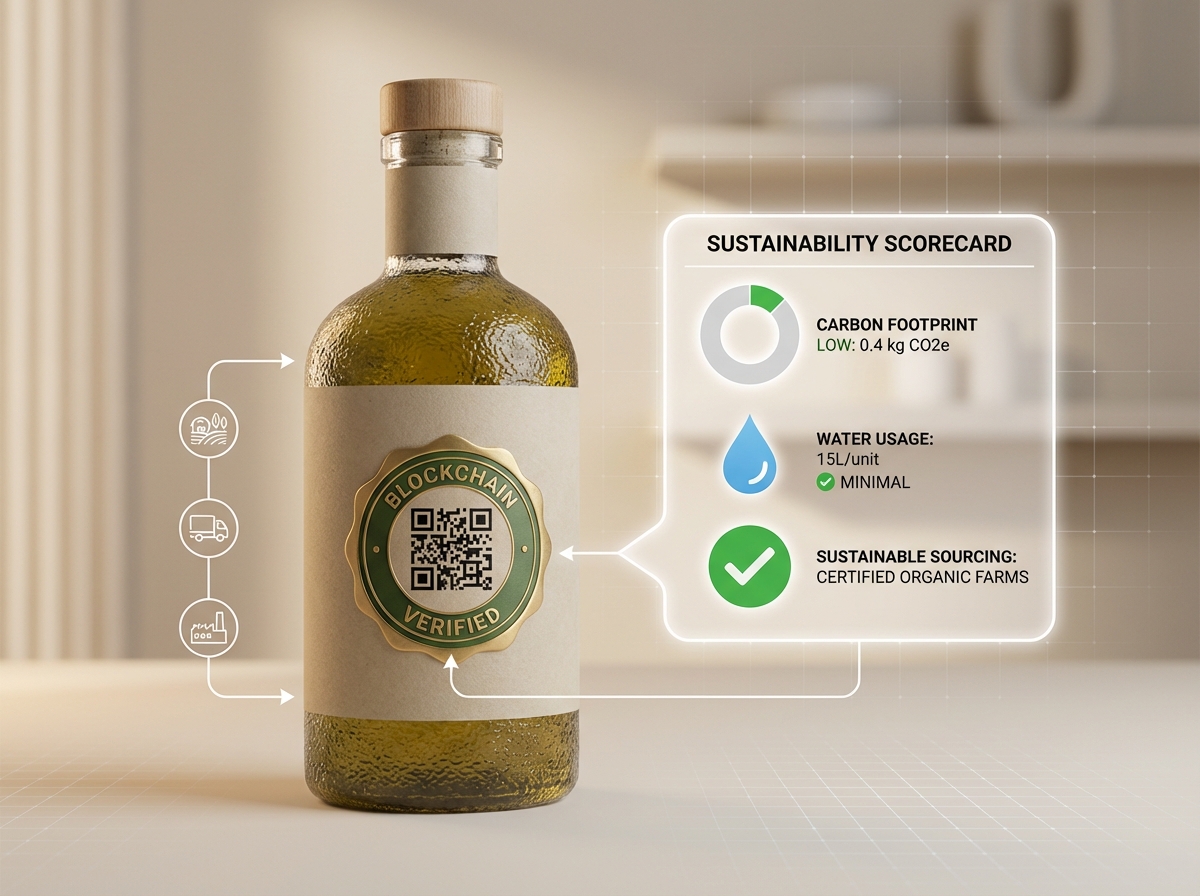
Sustainability tracking automation is the continuous ingestion of ESG and IoT metrics—such as GHG emissions, energy consumption, water usage, and waste—and their automatic conversion into clear, per-SKU explainers. This is the "how" behind effective carbon footprint communication in 2026.
Consumers no longer accept vague "eco-friendly" labels. Instead, they look for transparency trust signals: on-video elements like carbon donuts, YoY delta visuals, and site energy profiles that a consumer can click or scan to verify with primary evidence. Blockchain verification marketing plays a pivotal role here, embedding on-video badges or QR codes that deep-link to distributed-ledger-backed provenance records.
The feasibility of this at scale in India has already been demonstrated by initiatives like the Tech Mahindra and StaTwig vaccine ledger, which used blockchain for real-time traceability in complex vaccine chains. FMCG brands are now adopting similar logic to provide proof of custody and sustainability claims.
By 2026, sustainability tracking automation will allow brands to show "what changed this year" in dynamic video formats, contextualizing improvements or anomalies in their environmental footprint. This level of transparency is essential for maintaining compliance with ASCI’s strict prohibitions on greenwashing and ensuring that every sustainability claim is backed by auditable data.
Sources:
- Tech Mahindra x StaTwig: Vaccine ledger traceability
- Mongabay-India: Greenwashing guidelines explainer
4. Manufacturing Process Transparency: Turning Operational Excellence into Marketing Assets
Manufacturing process transparency involves using short time-lapses and explainers of factory processes—such as QA checks, safety protocols, and energy optimization—to build consumer trust. This is the essence of operational excellence marketing: turning internal process improvements into external brand value.
In 2026, manufacturing leaders are using data connectors to MES and ERP systems to feed motion-graphic layers into their marketing content. For example, a video might show a line changeover time-lapse with a QA gating overlay, explaining exactly what passes and what fails the quality rigor test. This demystifies the production process and reinforces the brand's commitment to quality.
Furthermore, energy-intensity trend visuals can highlight specific investments in waste-heat recovery or VFDs, showing the direct impact on the product's footprint. "Day in the life" micro-docs of engineers and operators further humanize the manufacturing floor, showing SOP adherence and safety culture in action.
This level of detail addresses a major coverage gap in traditional marketing, where the "how it's made" aspect is often ignored or over-simplified. By providing a transparent look at the factory floor, brands can justify premium pricing and foster deeper loyalty among consumers who value technical excellence and operational integrity.
Sources:
5. Conscious Consumer Engagement: Segmentation and Conversion Tactics
Conscious consumer engagement in 2026 requires a sophisticated segmentation strategy based on the specific values of the audience. Not all conscious consumers are the same; their priorities vary from carbon footprints to fair labor practices.
- Eco-First Cohorts: These consumers respond best to carbon footprint communication and water stewardship snapshots. Marketing should lead with renewable energy shares and provide direct QR links to Life Cycle Assessment (LCA) summaries.
- Fair-Labor-First Cohorts: For this group, supplier story personalization is key. Content should focus on certifications, worker welfare programs, and grievance redressal statistics.
- Local Impact Cohorts: These consumers prioritize supplier diversity showcases and community programs located near manufacturing plants.
Solutions like TrueFan AI demonstrate ROI through these targeted engagements by attributing "trust signal views" to specific conversion outcomes. By placing these videos on DTC PDPs, marketplace A+ content, and even WhatsApp flows, brands can meet consumers where they are with the specific proof they require. ONDC personalized video onboarding guide
Conversion design in 2026 also includes "Verified" filters on PDPs and incentive experiments, such as offering loyalty points for consumers who engage with the full provenance record of a product. This turns transparency into a performance marketing engine, driving both trust and transactions.
6. Implementation Playbook: 90 Days to Verifiable Transparency
Phase 1: Data Audit and Template Design (Days 0–30)
The first step is mapping ERP, MES, and ESG data fields to video components. Brands must identify the specific data points—such as SKU, batch number, location, and emissions factors—that will populate their templates. During this phase, a compliance pass is essential to ensure all claims align with ASCI Guidelines and SEBI BRSR Core disclosures. Three core templates should be finalized:
- AI-powered visibility videos for shipment and production tracking.
- Ethical sourcing personalization for supplier storytelling.
- Sustainability tracking automation for carbon and water metrics.
Phase 2: Pilot and Integration (Days 31–60)
In the second month, enterprises should connect APIs and webhooks to their video generation platforms. MSME digital transformation 2026 primer A pilot program involving 10–20 high-volume SKUs or a single major shipping route allows for technical troubleshooting. This is also the time to enable blockchain verification marketing QR codes for at least one provenance-ready product line, establishing the technical foundation for ledger-backed claims.
Phase 3: Scale and Optimization (Days 61–90)
The final phase involves expanding the program to the top 100 SKUs and activating supplier diversity showcases. Responsible sourcing campaigns should be rolled out across retail media variants. Crucially, brands must activate their ROI dashboards to monitor leading indicators like video completion rates and lagging indicators like PDP conversion uplift and WISMO reduction. 2026 digital transformation budget planning
Sources:
- NASSCOM: Blockchain traceability strategic review
- TrueFan AI: Enterprise digital transformation planning 2026
Conclusion: The Competitive Edge of Verifiable Truth
As we move through 2026, the divide between transparent brands and opaque ones will widen. Supply chain transparency marketing 2026 is not just a compliance requirement; it is a strategic imperative for any brand looking to thrive in a high-scrutiny environment. By leveraging real-time tracking videos, sustainability tracking automation, and ethical sourcing personalization, enterprises can transform their complex operations into their greatest marketing asset.
The path forward requires a commitment to data integrity, technological integration, and radical honesty. Those who embrace "watchable" supply chains will not only meet the demands of the modern conscious consumer but will also set a new standard for operational excellence marketing in the global marketplace.
Frequently Asked Questions
How do real-time tracking videos work for consumer marketing?
Real-time tracking videos are generated via API or webhook triggers from an enterprise's ERP, TMS, or MES. These triggers update live data overlays on pre-designed video templates, rendering short, personalized clips for each order or SKU. These are then embedded on PDPs or order tracking pages, providing a privacy-safe way for consumers to see the current status and journey of their purchase.
What is blockchain verification marketing in the context of 2026?
Blockchain verification marketing involves using distributed ledgers to record batch or lot provenance events. These records are then linked to marketing assets via on-video badges or QR codes. When a consumer scans the code, they are deep-linked to a verifiable custody record, proving the product's origin and journey. This technology, evidenced by the Tech Mahindra–StaTwig vaccine ledger, is now a standard for high-trust FMCG categories.
How can brands measure the ROI of transparency trust signals?
ROI is measured by tying video engagement and "proof-click" rates to core business KPIs. This includes tracking the reduction in WISMO (Where Is My Order) inquiries, the lift in PDP conversion rates, and improvements in brand trust scores. TrueFan AI provides an Enterprise Video ROI Metrics Dashboard that allows brands to attribute these trust signals directly to revenue and customer experience outcomes.
What are the regulatory requirements for supply chain marketing in India?
In India, supply chain marketing must comply with the SEBI BRSR Core framework, which requires listed companies to provide ESG disclosures for their value chain. Additionally, the ASCI Guidelines for Environmental/Green Claims require that all sustainability assertions be specific, quantifiable, and substantiated with evidence. Vague terms like "eco-friendly" or "green" are prohibited without clear metrics and scope.
How does supplier story personalization improve brand loyalty?
Supplier story personalization humanizes the supply chain by moving away from faceless corporations to the actual people and places behind a product. By showing specific site practices, certifications, and local impact stories, brands build an emotional connection with consumers. This transparency reduces perceived risk and fosters a sense of shared values, which is a primary driver of repeat purchase behavior in 2026.