Labour Day employee recognition campaigns 2026: How Indian enterprises can deliver multilingual, personalised videos to every worker on May 1
Estimated reading time: ~18 minutes
Key Takeaways
- Use personalised, multilingual videos to bridge the engagement gap between leadership and frontline workers on Labour Day 2026.
- Prioritise the overlooked majority—factory, field, service, and gig workers—with mobile-first delivery and context-aware messages.
- Leverage programmatic video synthesis to render thousands of unique assets from a single leadership recording, with name, site, and language customisation.
- Execute with an enterprise-scale delivery stack (WhatsApp, kiosks, analytics, and virtual reshoots) mapped to HRIS and secure APIs.
- Track ROI and governance via true engagement metrics (watch-through, sentiment, retention) while ensuring consent, security, and accessibility.
Labour Day employee recognition campaigns 2026 represent a critical strategic inflection point for Indian enterprises seeking to bridge the engagement gap between corporate leadership and the frontline workforce. As the Indian economy continues its trajectory toward a $5 trillion valuation, the reliance on the "overlooked majority"—factory workers, field forces, and delivery partners—has never been more pronounced. Platforms like TrueFan AI (Enterprise AI Video Platform) enable organizations to transform what was once a generic, top-down announcement into a deeply personal, high-impact recognition event that resonates across diverse linguistic and geographic boundaries. By leveraging programmatic video synthesis, HR leaders can now ensure that every individual, from the shop floor in Pune to the last-mile delivery hub in Guwahati, receives a personalized message of gratitude from the CEO on May 1.
International Labour Day in India, or Workers’ Day, has evolved beyond its historical roots into a modern anchor for brand purpose and internal cohesion. While many firms have traditionally celebrated this day with static posters or generic SMS blasts, the 2026 landscape demands a more sophisticated approach to inclusivity. The challenge for large-scale enterprises has always been the "scale vs. soul" paradox: how to make 50,000 employees feel uniquely valued without exhausting administrative resources. Personalised video technology resolves this by allowing a single leadership recording to be rendered into tens of thousands of unique assets, each addressing the worker by name, citing their specific site, and acknowledging their contribution in their native tongue.
Sources:
1. Why May 1 matters for Indian enterprises: Context, stakes, and brand purpose
International Labour Day HR campaigns India are no longer optional "feel-good" initiatives; they are essential components of a robust Environmental, Social, and Governance (ESG) strategy. In 2026, the stakes are heightened by the full implementation of India’s Labour Codes 2025, which have fundamentally redefined the relationship between enterprises and their extended workforces. These codes have expanded social security and safety mandates to include gig and platform workers, bringing millions of previously "invisible" contributors into the formal recognition lens. Consequently, failing to acknowledge this segment on May 1 is not just a missed engagement opportunity—it is a signal of misalignment with the evolving national regulatory and social framework.
Strategic alignment with May 1 brand purpose marketing India allows companies to reinforce their commitment to "Dignity of Labour." By centering the worker’s identity and specific contributions rather than just corporate milestones, enterprises can foster a culture of mutual respect that pays dividends in retention and productivity. Statistics for 2026 indicate that the Indian gig workforce has surged to approximately 18.5 million individuals, with blue-collar sectors facing a 25% talent churn rate as workers migrate toward brands that offer better emotional and social value. Tying appreciation to safety targets and operational excellence on Labour Day sustains engagement into the first half of the 2027 fiscal year, creating a "loyalty moat" that competitors using traditional methods cannot replicate.
The shift toward automation and AI in manufacturing has also created a psychological gap among the industrial workforce. As Deloitte India’s 2025 trends highlighted, the "human-centric" factory requires workers to feel empowered rather than replaced by technology. A personalized video campaign on May 1 serves as a powerful counter-narrative, proving that while the tools of production change, the value of the individual remains paramount. This recognition acts as a psychological contract renewal, reinforcing safety culture and participation in upskilling programs that are vital for the enterprise's long-term agility.
Sources:
2. Who to prioritise: The overlooked majority and their specific needs
To execute successful blue-collar workforce appreciation videos, enterprises must first segment their audience based on digital habits and operational environments. The "one-size-fits-all" internal communication model is the primary reason for low engagement in large organizations. For instance, industrial workers on the plant floor often lack access to corporate email or high-speed desktop terminals. Their recognition must be mobile-first, low-bandwidth, and delivered in a format that can be consumed during a short break or shift change. Personalization here isn't just about the name; it’s about acknowledging the specific plant site and the safety record of their particular line.
Field force employees and sales representatives present a different challenge. These individuals are constantly on the move, often operating in isolation from the central office. For them, personalised video for field force employees should focus on territory-specific wins and tenure. A message that mentions their manager’s name or a recent regional milestone creates a sense of belonging to a larger mission. Similarly, service professional recognition videos for contractual technicians or home-service talent must bridge the gap between being a "vendor" and being a "partner." Showing that the enterprise tracks their client feedback and values their technical expertise is the most effective way to drive repeat intent and platform loyalty.
Delivery partners and gig workers represent the most volatile segment of the 2026 workforce. With the gig economy expected to contribute 1.25% to India’s GDP by 2026, delivery partner appreciation campaigns must be ultra-concise and high-frequency. These workers value speed and utility; therefore, a 30-second video delivered via WhatsApp that leads with their name and a "thank you" for their specific delivery milestones is far more effective than a long-form corporate documentary. By prioritizing these personas, enterprises address the "engagement desert" that typically exists between the boardroom and the front line, ensuring that the most critical links in the supply chain feel seen and respected.
Sources:
3. What to send: Personalised video at scale (formats, scripts, and languages)
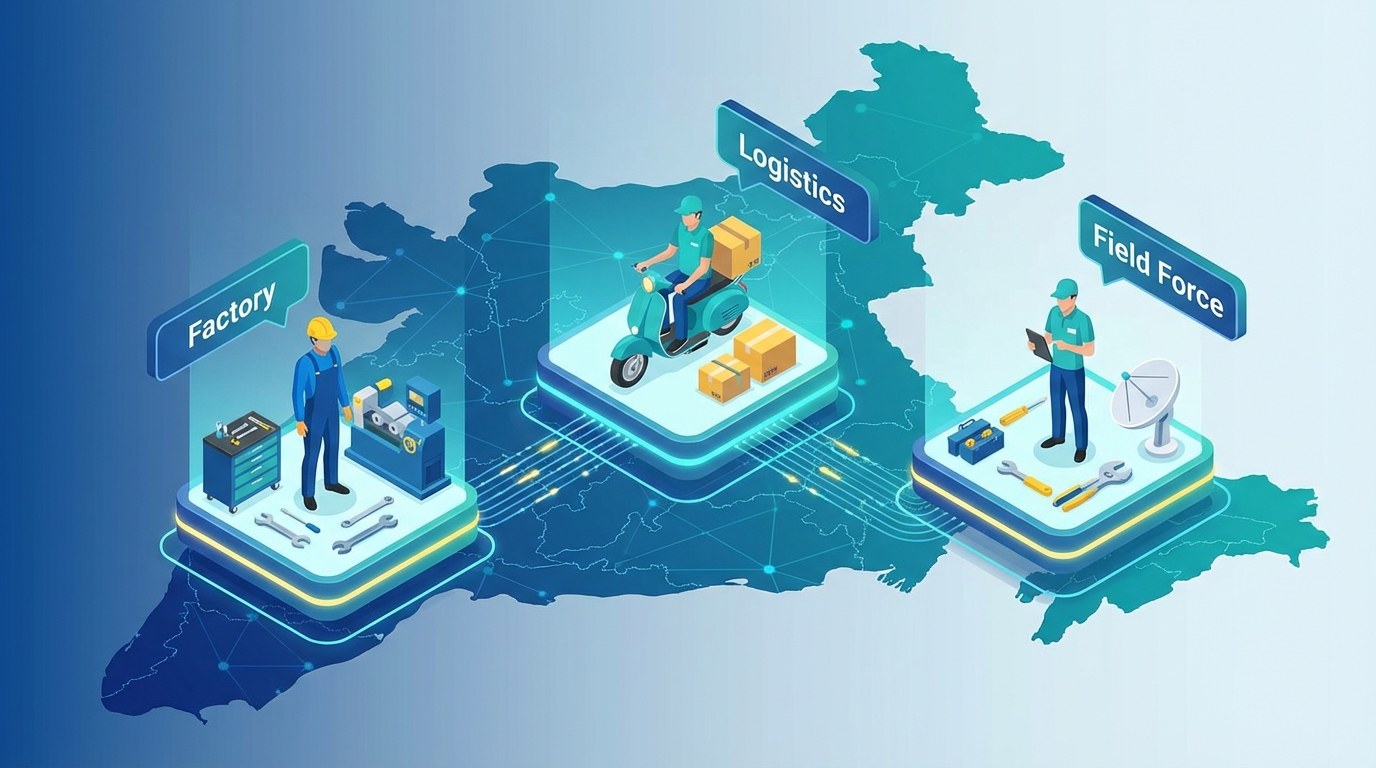
The core of a modern Labour Day strategy is the concept of "personalised video at scale." This involves a sophisticated technological pipeline where a single master recording from a leader—such as the CEO or CHRO—is programmatically rendered into thousands of unique outputs. Each video is dynamically injected with personal data fields including the worker's name, site location, shift timing, and even specific safety milestones. TrueFan AI’s 175+ language support and Personalised Celebrity Videos allow this process to occur with high fidelity, ensuring that the lip-sync and voice retention remain natural across every linguistic variation, from Marathi to Odia.
When drafting a CEO personalised appreciation video workers will actually watch, the script must be structured for immediate impact. A successful "hook" mentions the worker's name within the first three seconds. For example: "Namaste [Name], aap [Plant Site] ki [Morning/Evening] shift mein hamari sabse badi taaqat hain." This immediate recognition triggers a psychological "cocktail party effect," where the individual’s attention is instantly captured amidst the noise of daily notifications. The body of the message should then tie their individual effort to a collective achievement, such as "100 days of accident-free operations," before closing with a culturally resonant greeting for May 1.
For factory worker personalised video messages, the tone should shift toward operational pride. Plant Heads can record segments that call out specific line achievements or the implementation of new "Kaizen" (continuous improvement) ideas. In the context of multilingual employee video messages India, it is vital to avoid idioms that don't translate well. Instead, focus on universal values like "Mehnat" (Hard work), "Suraksha" (Safety), and "Parivar" (Family). By delivering these messages in the worker's preferred language, the enterprise demonstrates a level of respect that transcends the transactional nature of the employment contract, fostering a deeper emotional bond.
Sources:
4. How to deliver at enterprise scale: TrueFan capability mapping
Executing a large-scale workforce engagement AI video campaign requires more than just creative content; it requires an industrial-grade delivery infrastructure. The process begins with a seamless data integration where HRIS or shift rosters are mapped to the video template (Enterprise AI Video API). Manufacturing employee recognition automation ensures that as soon as the data is uploaded, the rendering engine begins producing videos at a rate of thousands per hour. This speed is crucial for responsive operations where shift rosters might change at the last minute. Industrial workforce engagement automation also allows for "virtual reshoots," where specific lines of dialogue can be swapped out to reflect regional nuances or updated safety protocols without requiring the CEO to return to the studio.
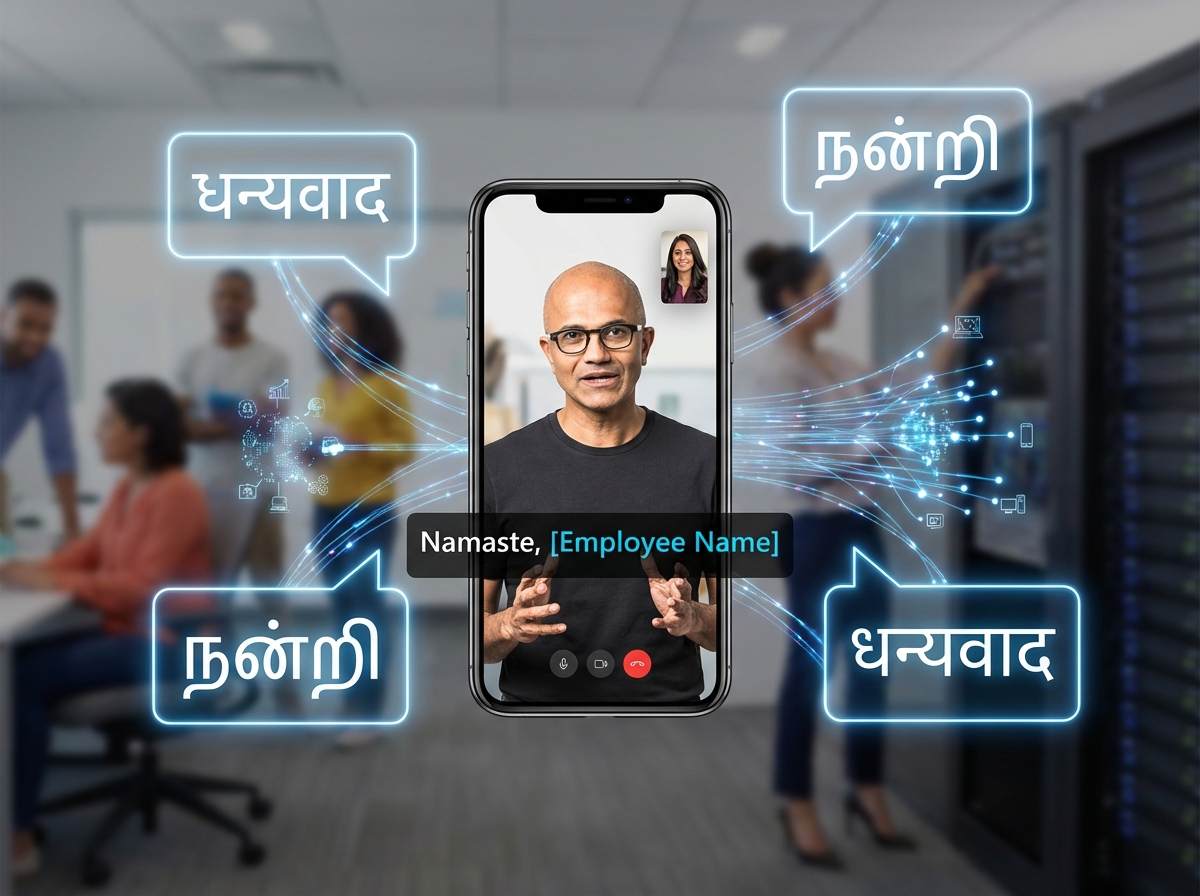
A robust blue-collar HR personalisation platform must prioritize accessibility and security. In the 2026 enterprise environment, ISO 27001 and SOC 2 compliance are non-negotiable for handling employee data (Enterprise AI Video Platform Guide). Furthermore, delivery must be optimized for the "WhatsApp-first" reality of the Indian workforce. By using the WhatsApp Business API, enterprises can send personalized video links that include a thumbnail of the leader, significantly increasing play rates compared to anonymous SMS links. For workers in "dark zones" or high-security areas where personal phones are restricted, the same videos can be pushed to canteen kiosks or entry-gate TV screens using QR code opt-ins, ensuring no one is left out of the Workers Day internal communication strategy.
Analytics play a pivotal role in refining the ROI of these campaigns. Modern platforms provide dashboards that track not just "opens," but granular engagement metrics like "watch-through rate" and "completion by language." If data shows that workers in the Southern regions are dropping off after 15 seconds, HR can use virtual reshoots to shorten the intro for that specific cohort. This level of agile content operations allows for A/B testing of different greetings or call-to-actions, ensuring that the Labour Day message isn't just sent, but is actually heard and internalized by the workforce. Solutions like TrueFan AI demonstrate ROI through these precise engagement metrics and the subsequent lift in employee sentiment.
Sources:
5. Execution timeline: Workers Day internal communication strategy for May 1, 2026
A successful Labour Day campaign requires a disciplined six-week lead time to ensure data integrity and cross-functional alignment. The timeline for an enterprise employee appreciation May 1 2026 campaign should be structured as follows:
- T–6 to T–5 weeks: Planning and Data Audit. This phase involves identifying the target segments (plant, fleet, field, gig) and confirming the required languages. HR teams must audit their databases to ensure fields like "Preferred Language" and "Current Site" are accurate. This is also the time for a legal and compliance check to ensure the campaign aligns with the latest 2025 Labour Code mandates regarding worker consent and data privacy.
- T–5 to T–4 weeks: Script and Capture. Draft the master scripts for the CEO and regional leaders. Ensure the wording is inclusive and avoids any political or religious overtones. The leader then records a 10–15 minute "master session" where they provide the base footage and various "token" recordings (e.g., different site names or safety milestones) that the AI will use for synthesis.
- T–4 to T–3 weeks: Template Build and QA. The technical team configures the data mapping and sets up the language auto-selection rules. A pilot set of videos is rendered for 8–10 diverse locations to check for name pronunciation accuracy and cultural nuance. This is the "stress test" for the rendering pipeline.
- T–3 to T–2 weeks: Localisation and Stress Testing. Generate the full batch of multilingual variants. In 2026, this typically includes Hindi, Marathi, Telugu, and Bengali as the core, with additional regional dialects as needed. Bandwidth testing is conducted to ensure the video links load quickly even on 4G or congested factory Wi-Fi.
- T–2 to T–1 week: Stakeholder Previews and Line Edits. Share the localized versions with regional managers and union representatives. Their feedback is vital for catching any linguistic slips or site-specific sensitivities. Use virtual reshoots to make final adjustments before the "Go-Live" window.
- T–1 week to T–Day: Go-Live Ops. Roll out the videos in shift-wise windows to avoid overwhelming the network and to ensure workers receive the message when they are most likely to watch it. Implement an SMS fallback for those without WhatsApp and activate the canteen kiosk loops.
- T+1 to T+4 weeks: Measurement and Reinforcement. Analyze the engagement data and report the KPIs to the board. Use the positive momentum to launch a follow-up "micro-recognition" drip campaign that ties back to the Labour Day message, keeping the engagement alive throughout the quarter.
Sources:
6. Measurement, ROI, and Governance for the 2026 Workforce
The ultimate success of workforce loyalty building campaigns India is measured by the delta in employee behavior and sentiment (AI Impact Summit 2026: TrueFan AI). In 2026, enterprises are moving beyond "vanity metrics" like views to "impact metrics" like retention deltas and safety participation rates. By comparing a "recipient group" of workers who received personalized videos against a control group, HR leaders can quantify the impact on turnover. Early data suggests that personalized recognition can reduce early-stage churn in the gig sector by up to 15%, as workers feel a stronger psychological tie to the platform.
Governance and accessibility are the twin pillars of a sustainable Labour Day corporate communication strategy. As organizations scale their use of AI, they must ensure that the technology is used ethically. This includes obtaining explicit consent for data use and ensuring that the AI-generated content is clearly marked as such to maintain transparency. Accessibility is equally critical; in a loud factory environment, videos must include high-contrast subtitles and clear audio mixing. By adhering to these standards, enterprises not only protect themselves from regulatory risk but also build a foundation of trust with their workforce that is essential for long-term stability.
Case Study: Urban Company x TrueFan
Urban Company successfully leveraged this technology to deliver 9,559 personalised service professional recognition videos. By having leadership acknowledge technicians by name and city, the campaign drove significant loyalty signals, including high social sharing and positive sentiment scores. This proved that even for a highly distributed, gig-based workforce, a single master shoot could be transformed into a powerful tool for building repeat intent and professional pride.
Sources:
Conclusion
Labour Day employee recognition campaigns 2026 offer a unique opportunity for Indian enterprises to lead with empathy and innovation. By moving away from generic, mass-produced communications and embracing the power of personalised, multilingual video, HR leaders can bridge the gap between corporate strategy and frontline reality. This approach doesn't just celebrate a date on the calendar; it builds a culture of dignity, safety, and mutual respect that is essential for the "India 2026" growth story. As the competition for skilled blue-collar and gig talent intensifies, the ability to make every worker feel like a valued individual—at scale—will be the ultimate differentiator.
Ready to transform your May 1 engagement?
Book a 20-minute TrueFan enterprise walkthrough today and receive a complimentary "May 1 Activation Kit," featuring ready-to-use scripts, WhatsApp templates, and a comprehensive QA checklist to ensure your campaign reaches every worker with the dignity they deserve.
Place keywords: Labour Day employee recognition campaigns 2026; May 1 Workers Day enterprise engagement; enterprise employee appreciation May 1 2026
Recommended Internal Links
- Enterprise AI Video Platform: Real-Time API for Scale
- Enterprise AI Video Platform: Secure, Scalable, API-First (2024)
- Enterprise AI Video API: Scalable, Secure Personalization
- Enterprise AI Video Platform: Secure, Scalable Solutions
- Enterprise AI Video API: Secure, Scalable Personalization (Guide)
- AI Impact Summit 2026 TrueFan: Enterprise AI Video ROI
Frequently Asked Questions
How does TrueFan AI handle the pronunciation of diverse Indian names in personalized videos?
TrueFan AI uses advanced phonetic mapping and deep-learning models trained on regional Indian accents to ensure that name pronunciation is natural and accurate. During the QA phase, the system allows for manual overrides or "phonetic spelling" inputs (e.g., "S-H-O-B-H-A" vs "S-H-O-B-H-I-K-A") to guarantee that every worker hears their name correctly, which is vital for the emotional impact of the recognition.
Can these personalized videos be delivered to workers who do not have smartphones?
Yes. While WhatsApp is the primary channel, the Workers Day internal communication strategy includes multi-channel delivery. For workers with feature phones, a personalized SMS with a "low-bandwidth" link can be sent. Additionally, the videos can be integrated into canteen kiosks, entry-gate digital signage, or played during "Toolbox Talks" where managers can show a group-specific personalized video to their entire shift.
Is it possible to update the video content if our safety milestones change right before May 1?
Absolutely. One of the key advantages of using a blue-collar HR personalisation platform is the "virtual reshoot" capability. If a plant achieves a new safety record or a specific site wins an award in the final week of April, the script "tokens" can be updated in the system, and the videos can be re-rendered in hours without needing the CEO to record new footage.
How do we ensure that employee data remains secure during the personalization process?
Enterprise-grade platforms prioritize data security by adhering to ISO 27001 and SOC 2 Type II standards (Enterprise AI Video API Guide). Data is typically processed via secure APIs or encrypted CSV uploads, and all PII (Personally Identifiable Information) is handled according to the Digital Personal Data Protection (DPDP) Act of India. Consent-first moderation ensures that workers are aware of how their data is being used to create their personalized experience.
What is the typical ROI for a Labour Day personalized video campaign?
ROI is measured through three lenses: Engagement (80%+ play rates), Sentiment (measured via follow-up emoji-reactions or pulse surveys), and Retention. Enterprises often see a measurable reduction in "unplanned absenteeism" on the days following the campaign and a long-term lift in Employee Net Promoter Scores (eNPS) among the frontline workforce, which directly correlates to lower recruitment and training costs.



