Women’s Day B2B marketing 2026: Inclusive supply chain marketing, female-led supplier diversity, and March 8 corporate partnerships that deliver
Estimated reading time: ~14 minutes
Key Takeaways
- Women’s Day B2B marketing 2026 is about measurable impact, not symbolism—tie initiatives to supplier diversity KPIs and ESG outcomes.
- Build International Women’s Day corporate partnerships around co-funded enablement, transparent criteria, and quarterly progress reporting.
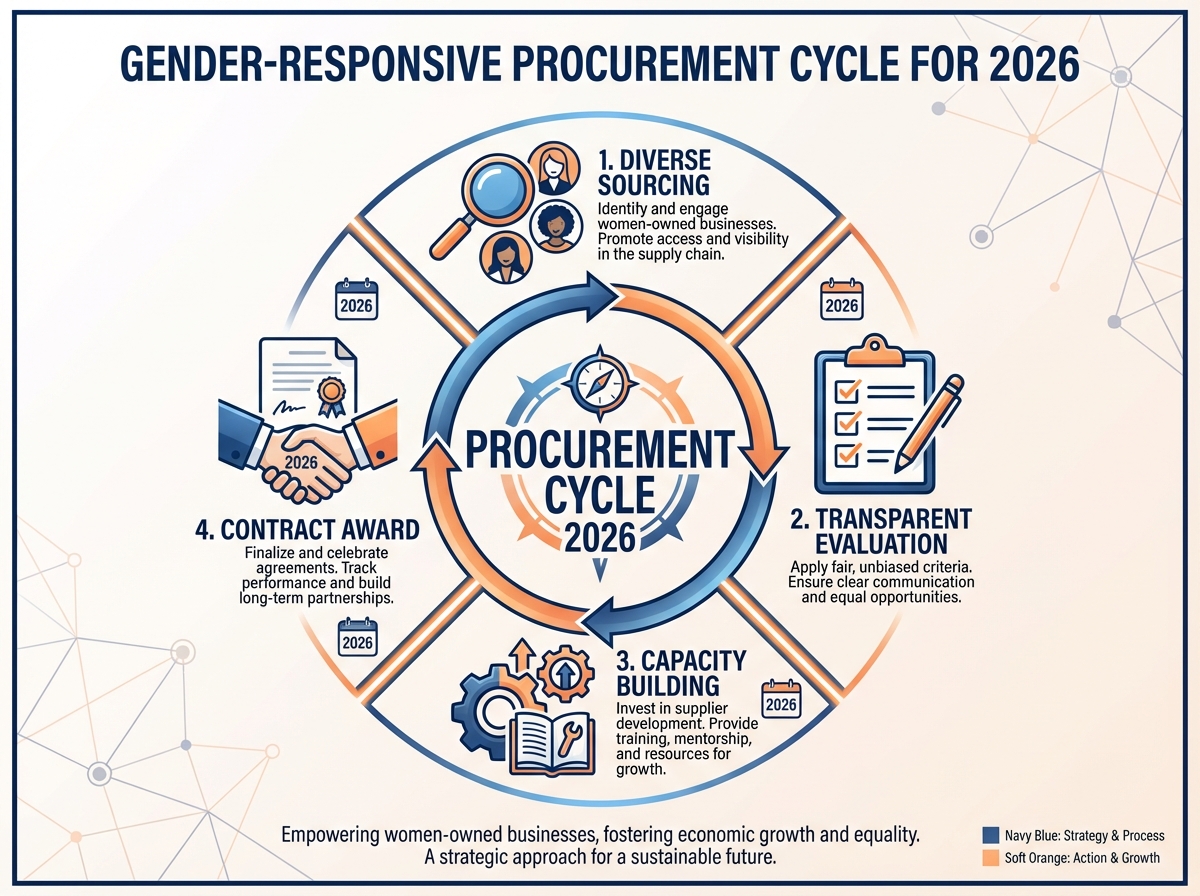
- Operationalize gender-responsive procurement with standardized definitions, fair tendering, and data-disaggregated reporting.
- Use personalized video and she-commerce automation to localize outreach across languages and channels like WhatsApp, SMS, and email.
- Aim for the Indian policy north star—3% women-owned procurement—and scale via continuous enablement, measurement, and retention programs.
The landscape of Women’s Day B2B marketing 2026 has shifted from symbolic gestures to measurable, data-driven ecosystem growth. For enterprise leaders, March 8 is no longer just a date for social media tributes; it is a strategic catalyst for launching International Women’s Day corporate partnerships and scaling gender-inclusive procurement marketing. By integrating personalized engagement and transparent supplier diversity metrics, organizations can transform a single day of recognition into a year-long engine for inclusive growth and resilient supply chains.
Quick Definitions for the 2026 B2B Landscape
- Gender-responsive procurement: The strategic integration of gender considerations into the entire procurement cycle. This includes setting specific spend targets, diversifying supplier outreach, and implementing transparent evaluation criteria to empower women-owned businesses.
- Inclusive supply chain marketing: A communication framework designed to recruit and retain diverse suppliers through localized messaging, enablement content, and transparent program eligibility.
- She-commerce marketing automation: Automated, multi-channel journeys—utilizing WhatsApp, email, and SMS—tailored specifically to the needs of women entrepreneurs and MSMEs.
- Women entrepreneur engagement videos: Personalized, data-driven video content that addresses recipients by name and sector to build trust and drive conversion in the vendor onboarding process.
Why Women’s Day B2B marketing 2026 matters for enterprise growth and DEI reputation
In 2026, the "pinkwashing" of previous decades has been replaced by a demand for radical transparency and authentic impact. Women’s Day B2B marketing 2026 serves as the primary focal point for enterprises to demonstrate their commitment to female-led supplier diversity through verifiable data and long-term partnerships. According to 2026 trends identified by the International Council for Small Business (ICSB), women entrepreneurs are increasingly prioritizing circular innovation and sustainable leadership, making them critical partners for enterprises aiming to meet ESG (Environmental, Social, and Governance) goals.
The business case for inclusive supply chain marketing is bolstered by the fact that diverse supply chains are more resilient and innovative. In the Indian context, the government’s Public Procurement Policy for MSEs has set a clear benchmark, mandating a 3% procurement target from women-owned micro and small enterprises (MSEs). For private sector leaders, aligning with these national priorities through International Women’s Day corporate partnerships is not just a matter of compliance; it is a strategic move to tap into a high-growth segment of the economy.
Furthermore, 2026 research from Women Entrepreneurs Grow Global (WEGG) indicates that 85% of B2B buyers now evaluate a company’s supplier diversity record before signing long-term contracts. This shift means that your March 8 activations must move beyond the "celebratory" and into the "operational." Enterprises that fail to provide clear pathways for women-owned businesses to enter their supply chains risk losing both reputation and market share in an increasingly conscious B2B environment.
Sources:
- ICSB 2026 Trends for Women Entrepreneurs
- WEGG: Key trends shaping women entrepreneurs in 2026
- MSME Annual Report 2024–25
International Women’s Day corporate partnerships that go beyond a post
To drive real value, International Women’s Day corporate partnerships must be structured around shared KPIs and long-term enablement. Moving away from one-off events, leading enterprises in 2026 are forming March 8 business partnerships that focus on co-funded impact programs and vendor enablement grants. These partnerships are designed to bridge the "readiness gap," providing women-led businesses with the training and certifications necessary to compete for large-scale enterprise contracts.
Platforms like TrueFan AI enable these partnerships to scale by delivering personalized invitation videos to prospective partners, ensuring that the call to collaboration feels direct and high-touch. By using dynamic fields such as organization name, city, and sector, enterprises can increase RSVP rates for "Supplier Days" by up to 40% compared to generic email blasts. This level of personalization signals a genuine interest in the partner’s specific business context, which is essential for building trust in the B2B space. Explore the personalized video onboarding guide.
To avoid the pitfalls of tokenism, these partnerships must be governed by clear guardrails. This includes publishing eligibility criteria, utilizing diverse selection panels, and providing quarterly progress snapshots to all stakeholders. Elevating the voices of women founders through women leadership celebration campaigns adds a layer of authenticity, as it allows the partners themselves to tell the story of the collaboration's impact. In India, aligning these efforts with UN Women India’s sectoral priorities ensures that corporate actions contribute to broader national development goals.
Sources:
- UN Women India: Country page
- CleverTap: Women’s Day marketing ideas
- International Women’s Day official site
Gender-inclusive procurement marketing and inclusive supply chain marketing (India-first)
In the Indian market, gender-inclusive procurement marketing is anchored by the Public Procurement Policy for MSEs, which mandates that 3% of the 25% annual procurement target from MSEs must be sourced from women-owned businesses. For the private sector, this 3% figure serves as a vital north star. Effective inclusive supply chain marketing requires a proactive approach to vendor discovery, reaching out to women’s chambers of commerce and MSME clusters through digital portals and localized outreach.
A successful execution checklist for 2026 includes:
- Standardizing Definitions: Clearly defining what constitutes a "women-owned business" (e.g., 51% ownership and management) and providing a simple verification process.
- Transparent Tendering: Creating clear evaluation rubrics and hosting Q&A clinics to help women entrepreneurs navigate complex RFP (Request for Proposal) requirements. See the B2B procurement cycle acceleration guide.
- Capacity Building: Offering "pre-qualification" training sessions that help smaller vendors meet the technical and compliance standards of large enterprises.
- Feedback Loops: Implementing post-award redressal mechanisms to ensure that women-owned suppliers are supported throughout the contract lifecycle.
The Asian Development Bank (ADB) emphasizes that institutionalizing these practices requires data disaggregation and transparency in reporting. By tracking the number of women-owned bidders versus the number of contracts awarded, enterprises can identify friction points in their procurement funnel. This data-driven approach transforms female-led supplier diversity from a CSR initiative into a core business function that drives competitive advantage.
Sources:
- MSME Sambandh: Public Procurement Policy overview
- UN Women: Guidance on gender-responsive procurement (PDF)
- ADB: Gender-responsive procurement in Asia Pacific (PDF)
Women entrepreneur engagement videos and women empowerment B2B videos that convert
The use of women entrepreneur engagement videos has become a cornerstone of high-conversion B2B strategies in 2026. These videos allow enterprises to humanize their procurement processes and speak directly to the aspirations of female founders. By mapping video content to the different stages of the supplier funnel—Awareness, Consideration, Decision, and Post-award—brands can provide the right information at the right time, reducing drop-off rates and increasing the quality of submissions.
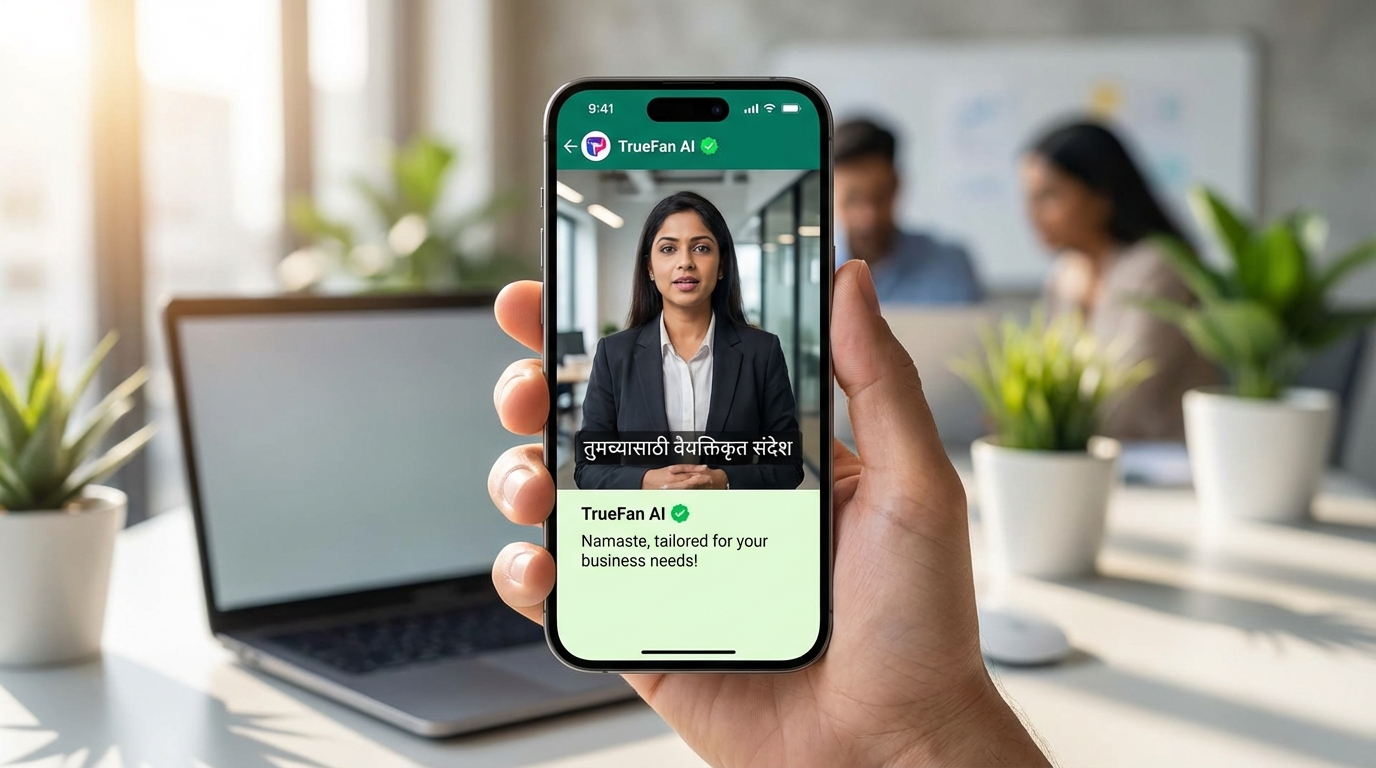
TrueFan AI's 175+ language support and Personalised Celebrity Videos allow enterprises to create hyper-personalized content that resonates across diverse regional demographics. For instance, a "bid-coaching" video can be automatically generated in Marathi for a supplier in Pune, featuring a recognized industry leader who explains the specific compliance steps for a light manufacturing tender. This level of localization removes language barriers and demonstrates a deep commitment to inclusivity that static text documents cannot match. Learn more in the WhatsApp catalog video marketing guide.
In the "Decision" phase of the funnel, women empowerment B2B videos should focus on success stories and "how-to" guides. Showing a female founder who successfully scaled her business through an enterprise partnership provides social proof and builds the confidence of prospective vendors. These videos should be delivered via mobile-first channels like WhatsApp, ensuring they are accessible to MSME owners who manage their businesses on the go. Tracking watch-through rates and subsequent application starts provides the necessary data to refine messaging in real-time. Review WhatsApp catalog video marketing best practices.
Sources:
Women MSME personalization India and she-commerce marketing automation
For the Indian market, women MSME personalization India is the key to unlocking the potential of millions of women-led enterprises. Given the regional diversity of India, a one-size-fits-all approach to B2B marketing is no longer effective. She-commerce marketing automation allows enterprises to trigger personalized journeys based on a vendor’s location, sector, and language preference. This ensures that a woman entrepreneur in Tamil Nadu receives tender alerts in Tamil, while a retail partner in West Bengal receives onboarding instructions in Bengali. See MSME digital transformation 2026.
Solutions like TrueFan AI demonstrate ROI through their ability to integrate with existing CRM systems and WhatsApp Business APIs to deliver these personalized touchpoints at scale. Automation journeys can include:
- Discovery to Onboarding: Triggering a personalized "Welcome" video once a vendor passes the initial eligibility check.
- Learning Paths: Delivering weekly micro-lessons on topics like invoicing, digital marketing, and sustainability certifications.
- Retention Mechanics: Sending automated milestone recognition videos (e.g., "Congratulations on your first 6 months as a partner!") to foster long-term loyalty.
The 2026 B2B landscape demands that these automation flows are "bandwidth-friendly," considering the varying internet speeds across different Indian clusters. By using light-weight video formats and rich-link SMS, enterprises can ensure that their women-owned business offers reach the intended audience without technical friction. This mobile-first, localized strategy is essential for meeting the 3% procurement target and building a truly inclusive supply chain in India.
Sources:
Execution checklist for Women’s Day B2B marketing 2026
To ensure your Women’s Day B2B marketing 2026 strategy is both impactful and measurable, follow this comprehensive execution blueprint. This checklist integrates gender-inclusive procurement marketing with advanced digital engagement tactics to drive superior outcomes.
1. Strategic Alignment & Partnerships
- Identify Archetypes: Choose between co-funded impact programs, procurement pledges, or co-marketing showcases.
- Set Baseline Metrics: Document your current spend with women-owned businesses to measure growth accurately.
- Formalize Partnerships: Align with organizations like UN Women or local women’s chambers to validate your outreach.
- Define KPIs: Focus on the number of new MOUs signed and the total pipeline value generated through International Women’s Day corporate partnerships.
2. Procurement & Supply Chain Marketing
- Publish Criteria: Ensure that eligibility for women-owned business offers is transparent and easily accessible on your portal.
- Simplify Onboarding: Reduce the number of steps required for initial registration to prevent vendor fatigue.
- Launch Office Hours: Schedule regular virtual clinics where category managers can answer specific questions from women-led MSEs.
- Audit for Bias: Review your evaluation rubrics to ensure they do not inadvertently disadvantage smaller, women-owned firms. Reference the B2B procurement acceleration guide.
3. Content & Personalization
- Deploy Video Funnels: Use women entrepreneur engagement videos for awareness and "how-to" explainer videos for the application phase. See personalized video onboarding.
- Localize Messaging: Ensure all content is available in at least 3-5 priority regional languages based on your supplier clusters. Review the WhatsApp catalog video marketing guide.
- Implement Automation: Set up she-commerce marketing automation triggers for tender alerts and milestone recognitions.
- Track Attribution: Use unique tracking links to see which video touchpoints are driving the highest conversion to contract. Explore attribution via WhatsApp video.
4. Measurement & Continuity
- Quarterly Reporting: Move beyond a March 8 report; publish progress updates every 90 days to maintain accountability.
- Retention Analysis: Monitor the 6-month and 12-month retention rates of women-owned suppliers.
- Success Story Library: Continuously update your library of female founder success stories to inspire new applicants.
Frequently Asked Questions
How can we structure March 8 business partnerships to avoid "pinkwashing"?
Authenticity in March 8 business partnerships is achieved through transparency and measurable commitments. Instead of just social media posts, publish specific procurement targets, share your selection criteria, and provide regular data updates on your progress. Elevating the actual voices of your women-owned suppliers through video testimonials, rather than using brand spokespeople, further enhances credibility.
What are the specific procurement targets for women-owned businesses in India?
Under the Public Procurement Policy for MSEs (Order 2012), there is a mandatory target of 25% procurement from MSEs. Within this 25%, a sub-target of 3% is specifically earmarked for procurement from women-owned MSEs. Private sector companies often use this 3% benchmark as a starting point for their own female-led supplier diversity programs to align with national economic goals.
Why is video personalization important for women MSME personalization in India?
India’s MSME landscape is incredibly diverse in terms of language, sector, and digital literacy. Personalized video content addresses the entrepreneur by name and in her native language, which significantly lowers the barrier to entry and builds immediate trust. It transforms a complex corporate process into a relatable, human conversation, which is vital for engaging busy entrepreneurs.
How does she-commerce marketing automation improve supplier retention?
She-commerce marketing automation ensures that women entrepreneurs receive consistent support throughout their journey. By automating "nudge" videos for upcoming deadlines, providing micro-learning content, and sending personalized recognition for business milestones, enterprises can keep suppliers engaged and supported, leading to higher long-term retention rates.
Can TrueFan AI help in localizing our Women’s Day B2B marketing 2026 campaigns?
Yes, TrueFan AI is designed to help enterprises scale personalized outreach. With 175+ language support and the ability to generate high-quality, personalized video content in real time, you can ensure your Women’s Day B2B marketing 2026 messages are culturally and linguistically relevant to every woman entrepreneur in your ecosystem, regardless of location.
What are the key trends for women entrepreneurs in 2026?
The key trends for 2026 include a strong focus on circular innovation, sustainable leadership, and the integration of AI in business operations. Women entrepreneurs are increasingly seeking partners who value long-term sustainability over short-term gains. Enterprises that highlight these values in their inclusive supply chain marketing will be more successful in attracting high-quality, innovative women-led partners.