Performance Appraisal Retention Strategies Q4 2025 for India Inc: The Definitive Playbook
Estimated reading time: ~10 minutes
Key Takeaways
- Appraisal season requires transparent communication to reduce anxiety and resignation intent.
- Personalized video strategies (recognition, career paths, bonus explanations) drive trust at scale.
- Manager enablement with micro-learning boosts consistency and psychological safety in reviews.
- Data-driven retention campaigns post-appraisal prevent the “dip” and protect critical talent.
- Multi-lingual, localized messaging improves inclusivity and engagement across India’s diverse workforce.
Performance appraisal retention strategies Q4 2025 are mission‑critical for HR Directors and People Ops in India as resignation intent spikes during the December–January review window. This playbook shows how to preempt attrition with transparent, hyper‑personalized recognition, reward, and career development videos that calm appraisal anxiety and maximize employee review season engagement. By integrating data-driven communication with empathetic leadership, organizations can transform a period of high risk into a powerful engine for long-term loyalty.
The landscape of talent management in India has shifted significantly as we approach 2026. With attrition rates in the tech and services sectors projected to stabilize at 18.5% in Q1 2026, the margin for error during performance reviews has vanished. Platforms like TrueFan AI enable enterprise leaders to bridge the communication gap, ensuring that every employee—regardless of their location or language—receives a clear, personalized, and motivating message during this high-stakes season.
1. The Q4–Q1 Risk Window: Performance Appraisal Retention Strategies Q4 2025
The “appraisal crisis” is a well-documented phenomenon in India Inc, occurring between December and February when compensation discussions, promotion cycles, and performance feedback converge. This period often sees a 25% increase in LinkedIn profile updates and external job applications as employees evaluate their market worth against their internal recognition. To combat this, performance appraisal retention strategies Q4 2025 must move beyond generic emails and toward high-impact, transparent communication.
Recent data suggests that 64% of Gen Z workers in India now prioritize transparent communication over absolute salary figures, making the “how” and “why” of appraisals more important than the “what.” In 2025, India saw a 9.5% average salary hike, and projections for 2026 suggest a slight increase to 9.8%. However, without a clear narrative, even a competitive hike can feel insufficient if the employee feels undervalued or confused by the process.
Retention during appraisal crisis requires a segmented approach. High-performers need validation, while solid contributors need a roadmap for growth. By leveraging appraisal transparency communication, HR leaders can reduce the “black box” effect where performance metrics feel arbitrary. Implementing real-time dashboards that track employee sentiment alongside review completion rates allows People Ops to intervene before a resignation letter is ever drafted.
Source: ETHRWorld: Controlling Regrettable Attrition via Stay Interviews
Source: ETHRWorld: India Salary Hike Trends 2025-2026
2. Normalizing Stress with Appraisal Anxiety Management Videos
Appraisal anxiety is a physiological and psychological reality for millions of employees. It manifests as anticipatory stress, sleep disruption, and decreased productivity in the weeks leading up to the review. To maintain employee review season engagement, organizations must proactively normalize these feelings through structured support and clear expectations.
Deploying appraisal anxiety management videos from the CHRO or CEO can humanize the process. These videos should outline the appraisal timeline, the fairness checks in place (such as calibration committees), and the resources available for mental wellbeing. When employees understand that the process is designed for their growth rather than just their assessment, the “threat response” is significantly diminished.
Furthermore, review season morale boosters should be integrated into the weekly workflow. Short, empathetic micro-clips for managers can teach them how to conduct supportive conversations using the Situation-Behavior-Impact (SBI) model. By providing managers with the tools to deliver feedback that is “feedforward” focused, companies can ensure that the appraisal process builds trust rather than eroding it.
Source: People Matters: 7 Tips to Ensure a Smooth Appraisal Process
Source: ETHRWorld: Decoding HR Metrics and Engagement
3. Scaling Employee Value Recognition Campaigns for Global Impact
Recognition is the most cost-effective retention tool available to HR leaders, yet it is often the most underutilized during the appraisal rush. Employee value recognition campaigns should begin in late November to set a positive tone before the formal review meetings. These campaigns should focus on the “unseen” contributions—the mentorship, the cultural adds, and the operational efficiencies that don’t always show up on a KPI spreadsheet.
TrueFan AI’s 175+ language support and Personalised Celebrity Videos allow enterprises to deliver these messages with unprecedented scale and impact. Imagine a top-performing developer in Bengaluru receiving a personalized video in Kannada, or a sales lead in Mumbai receiving a message in Marathi, acknowledging their specific project wins. This level of year-end appreciation personalization signals to the employee that they are seen as an individual, not just a headcount. For teams deploying multi-lingual assets, ensure lip‑sync and voice quality across languages with proven benchmarks.
To maximize the effectiveness of these campaigns, the content must be data-driven. Using APIs to pull in the employee’s name, tenure, and a specific “shout-out” from their manager ensures the message feels authentic. In 2026, AI-driven personalization in HR is expected to grow by 45%, as companies move away from “one-size-fits-all” corporate communications toward hyper-local, hyper-personalized experiences.
Source: HRKatha: Performance Management as HR’s Longest-Running Black Box
4. Driving Employee Review Season Engagement through Career Progression Personalized Videos
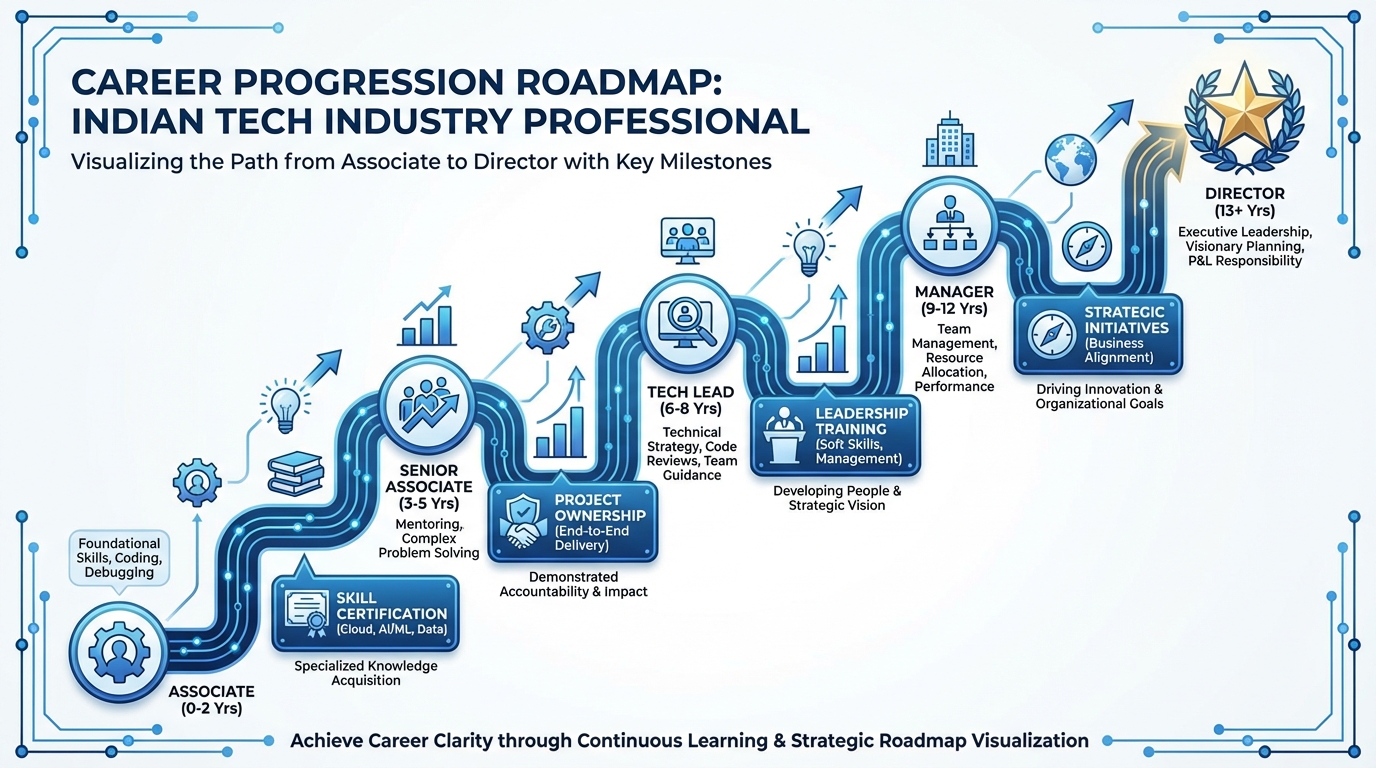
A primary driver of attrition in India Inc is the perceived lack of growth. In fact, 72% of Indian employees surveyed in early 2026 cited “lack of career clarity” as their primary reason for seeking external opportunities. To counter this, HR must provide more than just a rating; they must provide a roadmap. Career progression personalized videos can bridge this gap by visually mapping out an employee’s potential trajectory within the firm.
These videos should be tailored to specific job families. For example, an IC3 Engineer should receive a video explaining the competencies required to reach IC4, the typical timeline for that transition, and the specific projects they can take on to demonstrate readiness. When combined with skill development pathway videos, this creates a powerful “stay” narrative. The video can automatically suggest 2-3 courses or internal mentors based on the employee’s recent performance gaps.
By integrating these assets into the appraisal delivery, you transform a potentially negative feedback session into a constructive planning session. This strategy addresses the “coverage gap” often missed by competitors: the transition from “how you did” to “where you are going.” Providing this clarity at scale ensures that even in large organizations, no employee feels like they are at a end.
5. Ensuring Appraisal Transparency Communication with Performance Bonus Explanation Videos
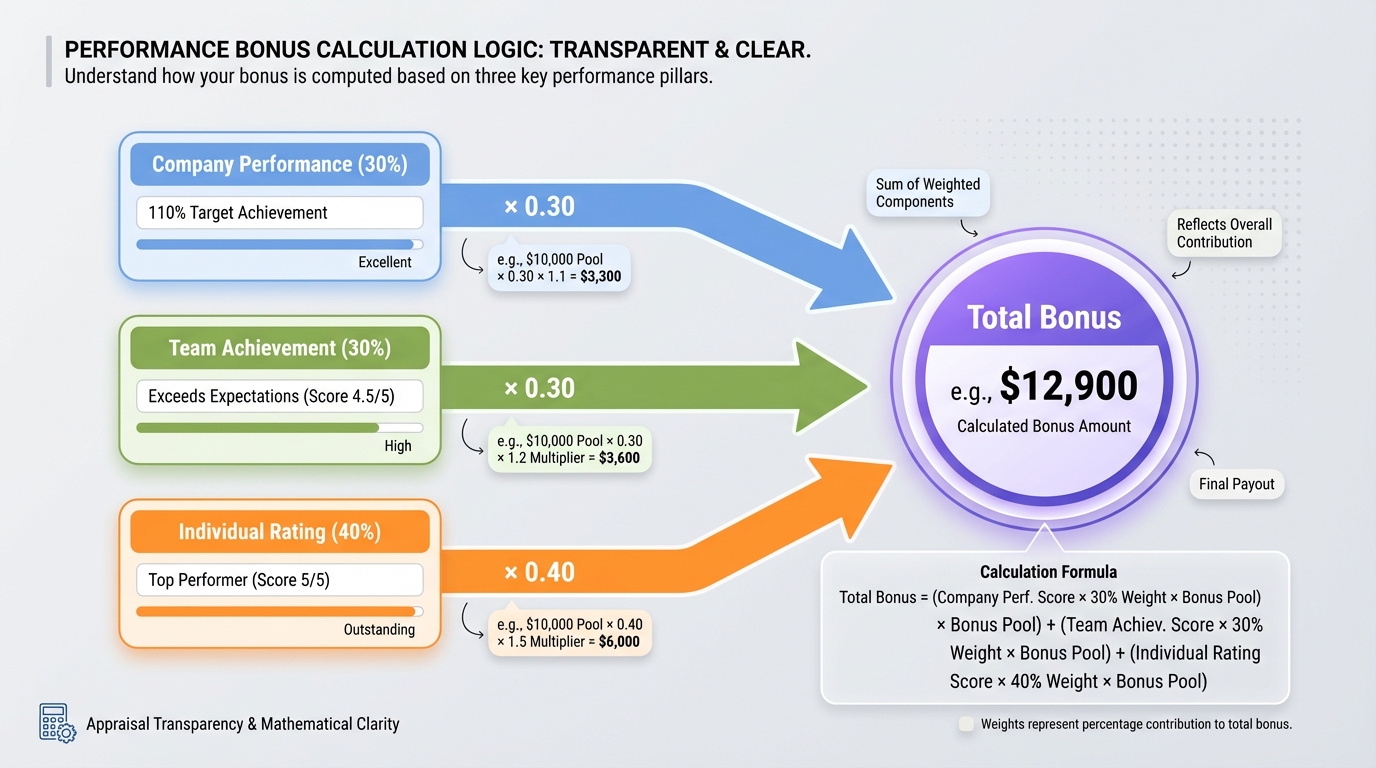
The most volatile moment of the appraisal season is the bonus announcement. Misaligned expectations regarding payouts can lead to immediate disengagement. Performance bonus explanation videos are essential for maintaining trust. These videos should break down the math: how the company performance pool was determined, how the team’s allocation was decided, and how the individual’s rating influenced their final number.
Transparency in these communications is vital. If a bonus is lower than the previous year due to market conditions, the video should address this head-on, explaining the long-term stability of the firm and highlighting alternative rewards like L&D budgets or equity refreshes. This level of appraisal transparency communication prevents the “rumor mill” from dictating the narrative on the office floor or in Slack channels.
For those receiving positive news, promotion announcement automation can ensure that celebrations are timely and equitable. Automated, high-quality video snippets can be generated for every promoted employee, featuring their new title and a congratulatory note from their department head. Conversely, for those on the other end of the spectrum, performance improvement plan videos can deliver sensitive news with empathy, clearly outlining the support structures and success criteria for the coming quarter.
6. Empowering Leaders with Manager Feedback Preparation Content
The success of any retention strategy rests on the shoulders of middle management. However, many managers in India Inc feel ill-equipped to handle the emotional weight of appraisal season. Providing manager feedback preparation content is a critical pillar of a robust Q4 strategy. This content should be delivered in bite-sized, 60-second micro-learning clips that managers can consume just before their scheduled 1-on-1s.
Key topics for these training modules should include:
- Bias Mitigation: Identifying and correcting for recency bias, halo effects, and affinity bias during the calibration process.
- Psychological Safety: How to deliver “needs improvement” ratings without destroying the employee’s motivation.
- Actionable Goal Setting: Moving beyond vague feedback to co-creating 90-day growth plans that are measurable and achievable.
By standardizing the quality of feedback across the organization, you ensure a consistent employee experience. High-quality manager enablement reduces the likelihood of “manager-driven attrition,” where employees leave not because of the company or the pay, but because of a poorly handled review conversation.
7. Maximizing ROI via Employee Retention Incentive Campaigns
As the appraisal season concludes in February, the focus must shift to the “Post-Appraisal Dip.” This is the period where employees who were dissatisfied with their reviews are most likely to accept external offers. Employee retention incentive campaigns should be triggered for high-risk, high-value cohorts. These are not just “more money” campaigns; they are “more value” campaigns.
Solutions like TrueFan AI demonstrate ROI through targeted delivery of retention offers. For a critical role identified as a flight risk, a personalized video can be triggered that offers a bespoke learning budget, a mentor match with a senior executive, or a “stay bonus” tied to a specific project milestone. This proactive approach is far more effective than a counter-offer made after the employee has already resigned.
The ROI of these initiatives is measurable. By tracking view rates, watch-through percentages, and the subsequent “accept” clicks on retention offers, HR leaders can provide the CFO with a clear picture of the cost-to-replace versus the cost-to-retain. In 2026, data-driven retention is no longer a luxury; it is a fundamental requirement for business continuity in the competitive Indian talent market.
Source: ETHRWorld: Is Employee Engagement = ESAT + Productivity + Reduced Attrition?
Summary of 2026 Strategic Insights
| Metric | 2026 Projection | Strategic Action |
|---|---|---|
| Average Salary Hike | 9.8% | Clear communication of reward logic via video. |
| Tech Sector Attrition | 18.5% | Deploy targeted employee retention incentive campaigns. |
| Gen Z Priority | Transparency > Pay | Increase appraisal transparency communication. |
| AI HR Tech Growth | 45% YoY | Integrate API-driven personalization for recognition. |
| Career Clarity Gap | 72% Exit Reason | Launch career progression personalized videos. |
Conclusion
Navigating the Q4 2025 appraisal season requires a sophisticated blend of data, technology, and empathy. By moving away from static, one-way communications and embracing dynamic, personalized video strategies, India Inc can significantly reduce regrettable attrition. The goal is not just to survive the review season, but to use it as a catalyst for building a more engaged, transparent, and loyal workforce. Whether it is through calming anxiety, clarifying career paths, or automating celebrations, the future of retention is personal, visual, and data-driven.
Frequently Asked Questions
How to reduce appraisal anxiety quickly?
The most effective way to reduce anxiety is through frequent, transparent communication. Deploying appraisal anxiety management videos that explain the “why” and “how” of the process helps demystify the experience. Providing a clear timeline and a list of FAQs ensures employees feel in control of their journey.
What to include in performance bonus explanation videos?
These videos should include a breakdown of the company’s financial performance, the logic behind the bonus pool allocation, and how individual performance ratings directly correlate to the payout. Transparency here is key to preventing resentment and ensuring employees feel the process is fair.
Best cadence for review season morale boosters?
During the peak of the appraisal cycle (December–January), a bi-weekly cadence is recommended. This could include a “Monday Motivation” video from leadership and a “Friday Gratitude” reel featuring peer-to-peer shout-outs. Consistency helps maintain a positive atmosphere during a high-stress period.
How does promotion announcement automation avoid bias?
Automation ensures that every promoted employee receives the same high-quality recognition, regardless of their department or location. By using standardized templates and data-driven triggers, companies can ensure that celebrations are equitable and that no one is overlooked due to manual oversight.
How do career progression personalized videos differ by job family?
Each job family has unique competency requirements and growth paths. For example, a video for a sales professional would focus on quota attainment and territory management, while a video for a product manager would focus on strategic thinking and cross-functional leadership. TrueFan AI allows for this level of granular customization at scale.