
Pre-monsoon healthcare marketing 2026: India’s enterprise playbook for seasonal illness prevention and preventive wellness growth
Estimated reading time: ~12 minutes
Key Takeaways
- Use hyper-personalized video and multilingual delivery to turn awareness into activation before monsoon season.
- Integrate IMD-driven regional alerts with CRM to trigger timely, localized health guidance and offers.
- Bundle services into preventive wellness subscriptions and seasonal insurance offers to grow recurring revenue.
- Measure preventive care ROI via conversion lift, reduced ER visits, and cohort-based holdout tests.
- Execute a disciplined March–April activation timeline from risk mapping to subscription surge.
The window between March and April represents a critical strategic inflection point for the Indian healthcare sector. As the sub-continent transitions from the peak of summer toward the first pre-monsoon showers, the urgency for pre-monsoon healthcare marketing 2026 becomes paramount for enterprise brands aiming to lead in seasonal illness prevention. In India, this period is no longer just about awareness; it is about deploying sophisticated, data-driven interventions that convert seasonal anxiety into long-term preventive wellness habits.
Enterprise healthcare leaders—ranging from multi-specialty hospital chains and diagnostic giants to insurers and OTC wellness brands—must recognize that the 2026 landscape is defined by hyper-personalization. The traditional “one-size-fits-all” awareness campaign is obsolete, replaced by AI-driven systems that anticipate regional health risks and deliver tailored solutions directly to the consumer's palm. By leveraging the March–April timeframe, brands can establish themselves as proactive guardians of family health before the peak monsoon disease burden hits.
The stakes are historically high, as public health data indicates a narrowing window for effective intervention. For instance, the National Center for Vector Borne Diseases Control (NCVBDC) has highlighted that early-season awareness is the single most effective variable in reducing the peak intensity of dengue and malaria outbreaks. For marketing teams, this means the transition from “awareness” to “activation” must happen now, utilizing every tool from predictive analytics to localized video content.
Sources:
- NCVBDC: Dengue Situation Dashboard
- afaqs!: Healthcare marketing trends that will define 2026 in India
Scaling Monsoon Disease Awareness Videos and Immunity Booster Personalization
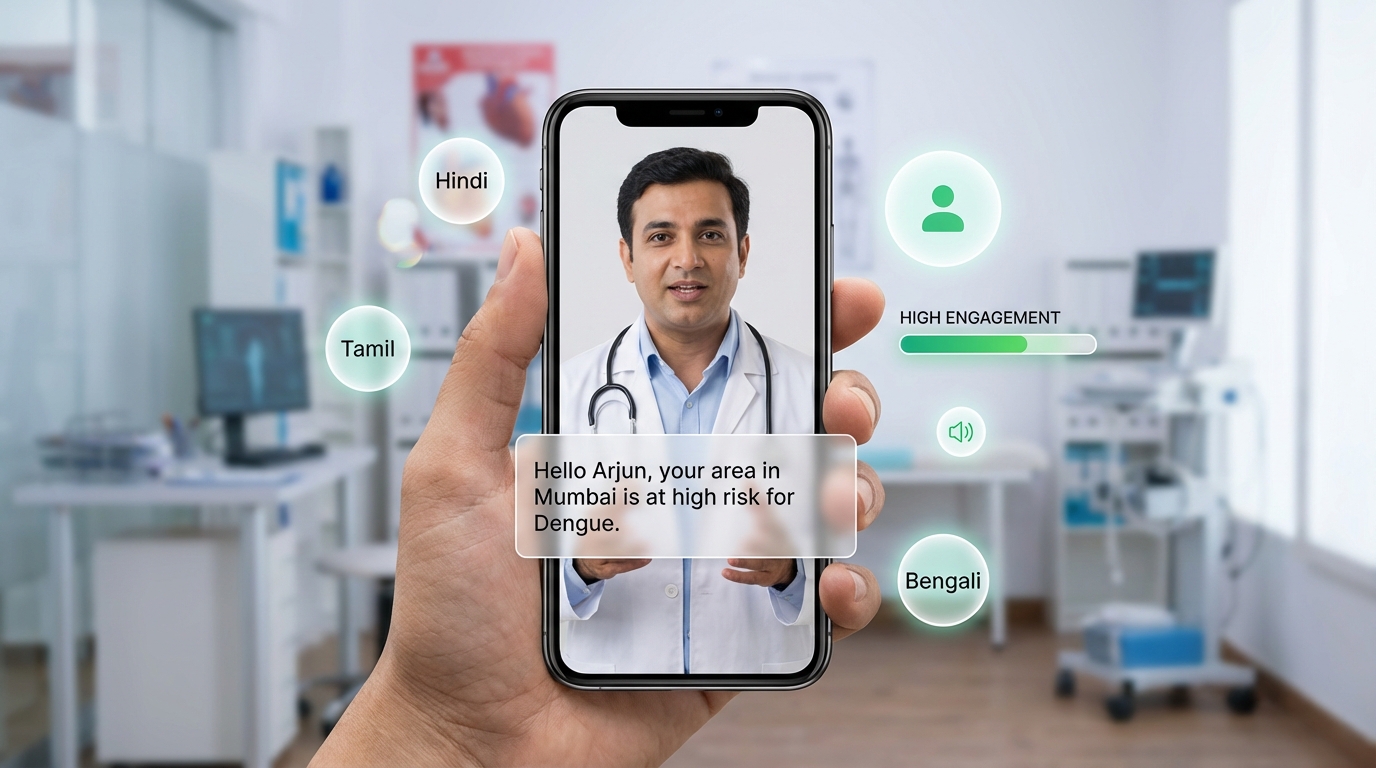
In the 2026 digital ecosystem, video is the undisputed sovereign of engagement, but its effectiveness now hinges on extreme relevance. Platforms like TrueFan AI enable enterprise brands to move beyond generic health tips and instead produce monsoon disease awareness videos that are dynamically rendered for the individual. These videos do not just explain what dengue is; they show a resident of a specific pincode in Bengaluru exactly how the local rainfall patterns are increasing their immediate risk profile.
The creative architecture for these campaigns must prioritize “Immunity Booster Personalization Videos.” These assets address the consumer by name, acknowledge their specific life stage—such as a parent of a toddler or a caregiver for an elderly relative—and provide evidence-based nutritional and lifestyle regimes. By integrating vitamin supplement urgency marketing, brands can create a “48-hour window” for consumers to secure their pre-monsoon immunity kits, effectively driving immediate commerce through high-value educational content.
TrueFan AI's 175+ language support and Personalised Celebrity Videos allow brands to bridge the trust gap that often exists in healthcare communications. When a trusted clinician or a recognizable figure delivers a personalized message in a local dialect—be it Marathi, Telugu, or Bengali—the “Expertise” and “Trustworthiness” metrics of the brand skyrocket. This level of localization ensures that complex medical advice regarding vector-borne risks or water hygiene is not just heard, but understood and acted upon across India’s diverse demographic landscape.
The technical execution involves a “Creative System” where short, 30–60 second explainers are auto-assembled based on user data. A user in Mumbai might receive a video focusing on leptospirosis and water contamination, while a user in Delhi receives content centered on stagnant water and mosquito breeding sites. This precision ensures that every marketing rupee spent on video production translates into a direct, relevant touchpoint that addresses the specific seasonal illness prevention needs of the recipient.
Sources:
- TrueFan AI Enterprise Solutions
- TrueFan AI Blog: Pre-monsoon marketing tips for 2026
- TrueFan AI Blog: Pre-monsoon marketing guide
Regional Health Alert Personalization and Family Health Protection Automation
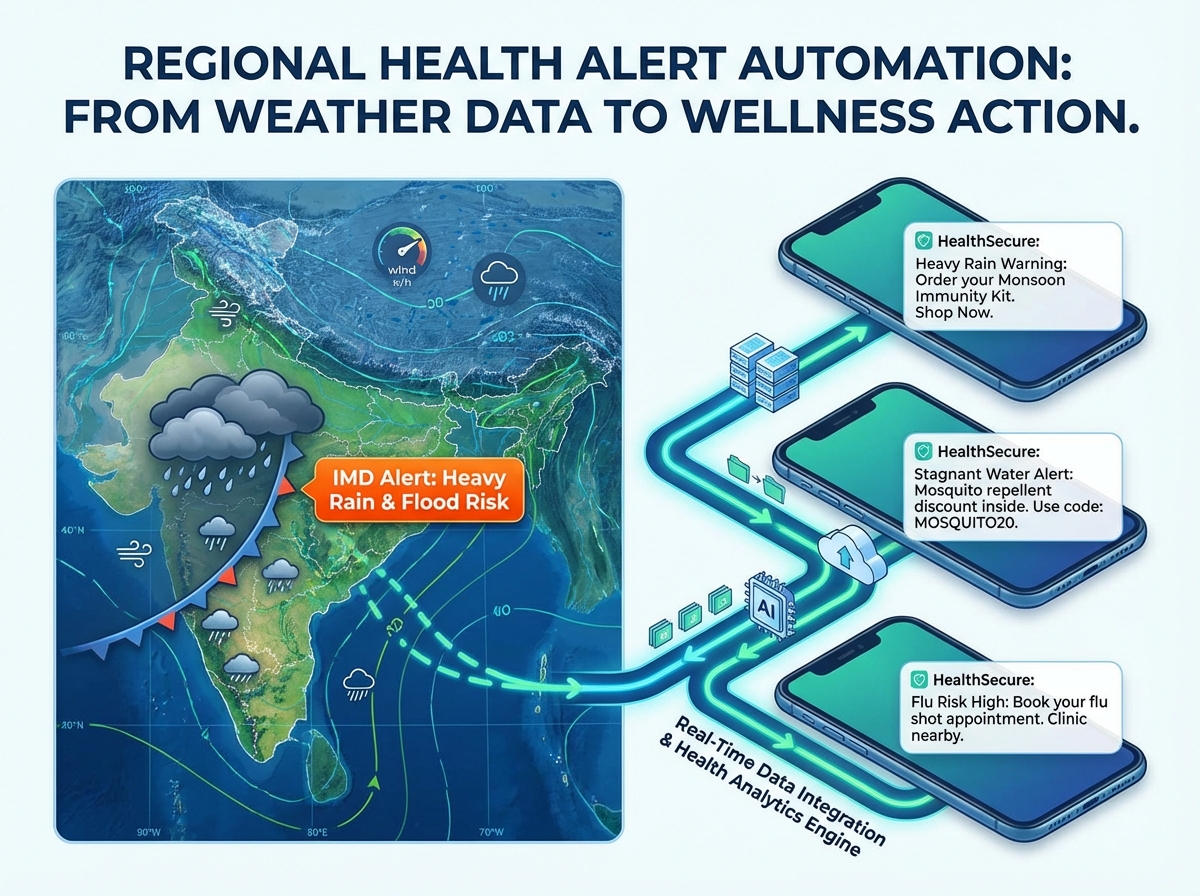
The integration of real-time environmental data is the “Coverage Gap” that most competitors miss. By 2026, enterprise brands must utilize regional health alert personalization triggered by India Meteorological Department (IMD) nowcast signals. When the IMD issues a heavy rainfall warning for a specific district, the healthcare brand's automation engine should immediately deploy localized alerts. These alerts go beyond weather updates; they provide actionable health advice, such as “High risk of mosquito breeding in your area—ensure your mosquito repellent marketing offers are redeemed today.”
This data-driven approach extends to family health protection automation. Modern Indian households are increasingly looking for “set-and-forget” health solutions. Enterprise brands can offer automated family health journeys that sync with digital calendars to provide medical checkup reminders. If a household has children, the automation flow prioritizes pediatric immunity; if it includes seniors, the focus shifts to respiratory health and baseline diagnostic screenings. This ensures that dengue malaria prevention campaigns are not just broadcasted but are woven into the daily administrative fabric of the family.
The logic behind these triggers is sophisticated. For example, if a pincode in Kerala shows a 20% increase in humidity and rainfall over a 48-hour period, the system automatically escalates “Leptospirosis Awareness” content to that specific cohort. Simultaneously, it can trigger a “Platelet Test Nudge” for individuals who have previously engaged with fever-related content. This level of responsiveness transforms a healthcare brand from a service provider into a real-time health partner, significantly increasing the “Authoritativeness” of the brand in the eyes of the consumer.
Furthermore, the automation of “Family Kits” allows for seamless cross-selling. A single alert about rising vector risks can lead to a pre-configured cart containing mosquito repellents, water purifier filters, ORS packets, and high-potency Vitamin C supplements. By reducing the friction between “risk awareness” and “product acquisition,” brands can capture the pre-monsoon market share before the consumer even realizes the seasonal shift has begun.
Sources:
Driving Growth with Preventive Wellness Subscription India and Seasonal Offers
The shift toward recurring revenue models is a defining trend for healthcare in 2026. The preventive wellness subscription India model—often branded as a “Monsoon Shield” or “Family Protection Plan”—allows brands to lock in consumer loyalty during the March–April window. These subscriptions bundle essential services: baseline CBC and platelet tests, unlimited teleconsultations, monthly refills of repellents and vitamins, and even water purifier service vouchers. By offering a tiered pricing structure, brands can cater to both budget-conscious individuals and premium-seeking families.
Complementing these subscriptions are health insurance seasonal offers. Insurers can utilize the pre-monsoon period to promote preventive riders or deductible boosters. For instance, a policyholder who completes a preventive health checkup in April could unlock a “No-Claim Bonus” multiplier or a cashback on their monsoon-related outpatient expenses. This creates a powerful incentive for the consumer to engage with the brand's ecosystem early, well before they actually fall ill.
Water purifier offer campaigns are another critical pillar of the pre-monsoon strategy. Given the rise in water-borne diseases like typhoid and cholera during the rains, brands that bundle filter replacements with health checkups see a significant uptick in conversion. Marketing these as “Safety Audits” rather than just “Service Calls” elevates the perceived value. When a technician visits a home to service a purifier, they become a physical touchpoint for the brand, potentially delivering a “Family Health Kit” or facilitating a diagnostic sample collection on the spot.
The synergy between these offers is where the enterprise ROI is maximized. A consumer might enter the funnel through a mosquito repellent marketing ad, but through intelligent sequencing, they are moved toward a full preventive subscription. This “Laddering” strategy ensures that the Customer Acquisition Cost (CAC) is amortized over a much higher Lifetime Value (LTV), as the consumer is now enrolled in a comprehensive health management ecosystem rather than a one-off purchase.
Sources:
Measuring Preventive Care ROI and Orchestrating the Customer Journey
The ultimate challenge for any enterprise marketing team is the quantification of impact. In 2026, preventive care ROI measurement has evolved beyond simple click-through rates. It now encompasses a holistic view of the “Health Value Chain.” Brands must track metrics such as the reduction in emergency room visits among subscription holders, the increase in “Quote-to-Bind” ratios for insurers following a personalized video campaign, and the direct correlation between regional health alerts and product sales spikes.
Solutions like TrueFan AI demonstrate ROI through high-engagement metrics, where personalized video completion rates often exceed 70%, compared to the 5–10% seen in generic video ads. By using holdout tests—where one pincode receives hyper-personalized alerts and another receives standard marketing—brands can precisely measure the “Conversion Lift.” This data is vital for justifying the marketing spend to the CFO, proving that prevention is not just a social good, but a highly profitable business strategy.
The customer journey must be orchestrated with surgical precision. A 21–30 day micro-journey is the ideal cadence for the March–April period.
- Week 1: Focus on education through monsoon disease awareness videos.
- Week 2: Introduce wellness journey gamification, where users earn points for completing daily “Prevention Habits” like checking for stagnant water or taking their vitamins.
- Week 3: Escalate to high-intent offers like the preventive wellness subscription India.
- Week 4: Final urgency push with medical checkup reminders and insurance riders.
This journey is supported by a multi-channel mix of WhatsApp, SMS, and in-app widgets. The “Trigger Logic” is the brain of the operation: if a user watches more than 50% of an immunity video but doesn't purchase, the system automatically triggers a “Doctor-led Explainer” or a “Celebrity Endorsement” to build further trust. This level of automated, intelligent retargeting ensures that no lead is left behind and every interaction moves the consumer closer to a preventive action.
Sources:
- TrueFan AI Enterprise Offering Document (Internal Intelligence)
- TrueFan AI Blog: Pre-monsoon ROI strategies and guide
The March–April Activation Timeline for Enterprise Healthcare Brands
Execution excellence in pre-monsoon healthcare marketing 2026 requires a disciplined, week-by-week roadmap. The goal is to build a crescendo of awareness and action that peaks just as the first monsoon clouds appear on the horizon. This timeline ensures that the brand is “Top of Mind” when the consumer's health anxiety is at its highest, but their window for prevention is still open.
Phase 1: The Foundation (Early March)
The first week is dedicated to “Risk Mapping.” Marketing teams must ingest the latest data from the NCVBDC and IMD to identify high-risk clusters. This is also the period for compliance sign-offs. Every piece of content, especially the monsoon disease awareness videos, must include clear disclaimers: “For awareness and prevention; not a substitute for medical advice. Consult a qualified physician.” This ensures the brand maintains its “Trustworthiness” and adheres to ISO 27001/SOC 2-grade data handling standards.
Phase 2: The Immunity Push (Mid-March)
The focus shifts to immunity booster personalization videos. This is the time to launch vitamin supplement urgency marketing campaigns. By framing the conversation around “Building the Shield,” brands can drive significant volume in the OTC and nutraceutical categories. Simultaneously, the soft launch of water purifier offer campaigns begins, targeting households that haven't had a service check in the last six months.
Phase 3: The Vector Offensive (Late March)
As the weather begins to shift, dengue malaria prevention campaigns take center stage. This is the peak period for mosquito repellent marketing. Brands should deploy regional health alert personalization based on the first pre-monsoon showers. This is also the time to push family health protection automation kits, ensuring every household has the physical tools needed for seasonal illness prevention.
Phase 4: The Subscription Surge (April)
The final phase focuses on long-term retention. Brands should aggressively promote the preventive wellness subscription India and health insurance seasonal offers. By this point, the consumer has been primed by three weeks of educational and alert-based content. The transition to a paid subscription or a new insurance policy feels like the natural next step in their “Wellness Journey.” medical checkup reminders should be sent with high frequency to ensure that any early-season symptoms are caught before they escalate into hospitalizations.
Sources:
Frequently Asked Questions
Frequently Asked Questions about Pre-monsoon Healthcare Marketing 2026
What is pre-monsoon healthcare marketing 2026 in India?
It is a strategic, seasonal marketing framework deployed between March and April. It focuses on using hyper-personalized, data-driven content—such as AI-generated videos and regional alerts—to drive seasonal illness prevention and encourage the adoption of preventive wellness products and services before the monsoon disease peak.
How does regional health alert personalization work?
This system integrates real-time weather data from the IMD with a brand's CRM. When specific environmental triggers (like heavy rainfall or high humidity) are met in a particular pincode, the system automatically sends a localized health alert or video to users in that area, providing specific advice for diseases like dengue, malaria, or leptospirosis.
How can TrueFan AI help in these pre-monsoon campaigns?
TrueFan AI provides the enterprise-grade infrastructure to generate thousands of hyper-personalized, multilingual videos in real-time. Whether it is a clinician explaining immunity or a celebrity providing a health tip, the platform allows brands to deliver 1:1 communication at a national scale, significantly improving engagement and conversion rates for pre-monsoon offers.
How do you measure preventive care ROI?
ROI is measured by tracking the “Conversion Lift” in specific cohorts. Key Performance Indicators (KPIs) include the click-through rate (CTR) to personalized videos, the completion rate of wellness journeys, the uptick in preventive wellness subscription India sign-ups, and the reduction in customer acquisition costs through automated, high-relevance retargeting.
Are these AI-driven campaigns compliant with medical regulations?
Yes, provided they follow strict guardrails. All content must be focused on awareness and prevention rather than “cures.” Every video and message must include a disclaimer to consult a qualified physician. Furthermore, using enterprise-grade platforms ensures that data privacy and consent-first media handling are maintained at the highest standards.
Why is March–April the best time for these campaigns?
This period is the “Golden Hour” for preventive healthcare in India. It precedes the actual monsoon, allowing enough time for immunity-building (which takes weeks) and for households to prepare their environments (servicing purifiers, buying repellents). It is the window where consumer anxiety is high enough to drive action but early enough to actually prevent illness.



