
Personalized Nutrition Marketing 2026: The Enterprise Guide to AI-Driven Growth
Key Takeaways
- 2026 marks a shift to AI-driven personalization across nutrition, replacing generic content with data-informed video experiences.
- An enterprise-grade recommendation engine plus health assessment videos boosts engagement, conversion, and retention.
- Lifecycle mapping with nudges and health score tracking reduces churn and increases LTV through proactive support.
- Compliance-first operations (FSSAI, ISO 27001, SOC 2) and claim governance sustain trust at scale.
- A 90-day pilot focused on CAC/LTV impact demonstrates ROI and derisks full-scale rollout.
Personalized nutrition marketing 2026 represents a fundamental shift from generic wellness advice to high-fidelity, data-driven health interventions. In this landscape, enterprise brands are moving beyond static PDFs and generic emails toward a future powered by AI health assessment videos and automated diet plans. This evolution is driven by a consumer base that no longer accepts “one-size-fits-all” solutions, demanding instead that their functional food and supplement choices reflect their unique biomarkers and lifestyle data.
The stakes for D2C wellness brands have never been higher, as the convergence of first-party health data, machine learning, and personalized video redefines customer acquisition costs (CAC) and long-term value (LTV). According to SPINS 2026 projections, consumers now expect tech-enabled personalization where wearables drive real-time adjustments to their nutritional intake. Market momentum for this sector continues to accelerate, with Mordor Intelligence forecasting a significant CAGR as precision nutrition moves from a niche luxury to a mainstream expectation.
In this comprehensive guide, we will explore how to deploy a nutrition recommendation engine that scales, automate customized diet plans, and utilize meal plan video consultations to drive unprecedented retention. Platforms like TrueFan AI enable enterprise brands to bridge the gap between complex health data and engaging, humanized video content at scale. By the end of this analysis, you will have a blueprint for a 90-day pilot designed to capture the massive growth opportunities inherent in the 2026 wellness economy.
1. The 2026 Inflection: Why Personalized Nutrition Marketing is Non-Negotiable
The year 2026 marks the point where precision and personalization have finally converged for the mass market. AI-powered personalization is now recognized as the top growth lever for nutritional supplement brands, moving away from simple demographic targeting to deep behavioral and biological integration. This shift is fueled by the mainstreaming of microbiome testing, biomarker-informed diets, and the ubiquitous use of wearable technology that provides a continuous stream of physiological data.
Consumers in 2026 are increasingly focused on high-protein, high-fiber, and clean-label products that offer specific functional benefits. The demand for “real-food functionality” means that brands must not only provide the right products but also the right context for how those products fit into a user’s specific health journey. Mordor Intelligence highlights that subscription-based D2C models are now pivoting toward goal-based formulations, which significantly improves basket expansion and reduces churn.
For brands operating in the Indian market, this technological leap must be balanced with a rigorous adherence to the FSSAI Advertising & Claims and Nutraceuticals regulations. Compliance is no longer just a legal hurdle; it is a trust-building mechanism. Marketing strategies must ensure that every automated recommendation and video consultation stays within the permitted claims categories while still delivering the high-touch, personalized experience that 2026 consumers demand.
Sources:
Source: SPINS 2026 Food Trends: Tech Personalization
Source: Mordor Intelligence: Personalized Nutrition Market Outlook
Source: Hangar12: Nutritional Supplement Marketing 2026
Source: KHNI: Key Health and Nutrition Trends 2026
Source: FSSAI Advertising & Claims Regulations
2. The Engine of Growth: AI Health Assessment Videos and Recommendation Logic
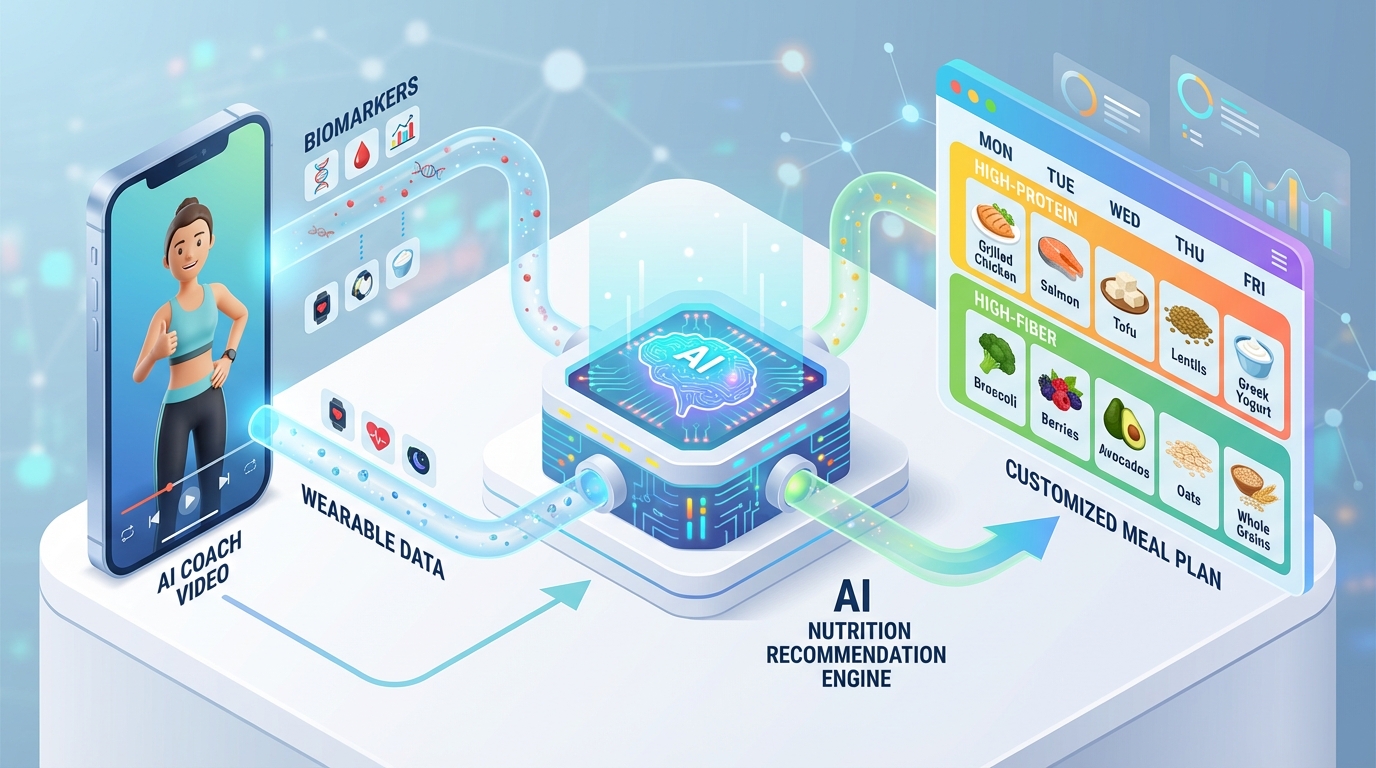
The journey toward personalized nutrition marketing 2026 begins with the onboarding process, where AI health assessment videos serve as the primary trust-building engine. These are dynamically rendered videos that summarize a user’s initial intake data—ranging from age and fitness goals to specific allergies and dietary patterns—into a cohesive narrative. By presenting a user with their own baseline metrics and a personalized roadmap, brands can achieve significantly higher engagement than through traditional text-based dashboards.
To power these videos, an enterprise-grade nutrition recommendation engine is required. This system functions as a governed rules-based and machine-learning hybrid that maps user inputs (Recency, Frequency, Monetary, and Knowledge signals) to specific plan elements. The engine must account for safety constraints like allergens and religious exclusions while simultaneously optimizing for the user's taste preferences and health objectives.
TrueFan AI's 175+ language support and Personalised Celebrity Videos allow brands to deliver these assessments with a level of intimacy and scale previously impossible. By integrating with a brand's CDP or CRM, the system can trigger a personalized video within seconds of a user completing an assessment. This immediate feedback loop not only validates the user's effort but also sets clear expectations for the customized diet plan that follows, ensuring the onboarding experience is both high-tech and high-touch.
To enable scale and timely distribution, connect the stack for omnichannel delivery via WhatsApp, email, or mobile apps.
Sources:
Source: TrueFan AI: Enterprise Video Personalization
Source: TrueFan AI: Video Personalization ROI Metrics
Source: FSSAI Labelling & Display Compendium
3. Scaling Delivery: Customized Diet Plan Automation and Video Consultations
Once the assessment is complete, the focus shifts to customized diet plan automation. This involves a sophisticated pipeline that translates raw data into a structured macro allocation and a culturally relevant meal template. In 2026, this automation must be capable of generating regionalized meal plans—such as Indian vegetarian or Jain-compliant options—while maintaining the protein and fiber targets identified as critical by current nutritional science.
The “meal plan video consultations” serve as the asynchronous equivalent of a session with a registered dietitian. Instead of reading a static list of meals, the user receives a chaptered video that explains the “why” behind their breakfast, lunch, and dinner choices. These videos can include specific “what to do when traveling” segments or tips for managing social dining, all while addressing the user by name and referencing their specific progress.
This level of dietary restriction marketing ensures that users with complex needs—such as gluten intolerance or specific religious dietary laws—feel seen and supported. By automating the creation of these video consults, enterprise brands can provide a premium, personalized service to millions of users simultaneously. This approach not only improves adherence to the nutrition plan but also creates a powerful competitive advantage in a crowded D2C wellness market.
Sources:
Source: LLCC: 2026 Nutrition Trends and Protein Emphasis
Source: TrueFan AI: AI Video Batch Processing at Scale
Source: Innova Market Insights: Personalized Nutrition Trends
4. Lifecycle Mastery: Wellness Journey Video Mapping and Health Score Tracking
The true value of personalized nutrition marketing 2026 is realized in the post-purchase lifecycle. Wellness journey video mapping allows brands to orchestrate a series of video touchpoints that guide the user from their first week of onboarding through long-term habit formation. These touchpoints are not random; they are micro-nudges based on behavioral science, designed to celebrate milestones and provide course corrections when adherence dips.
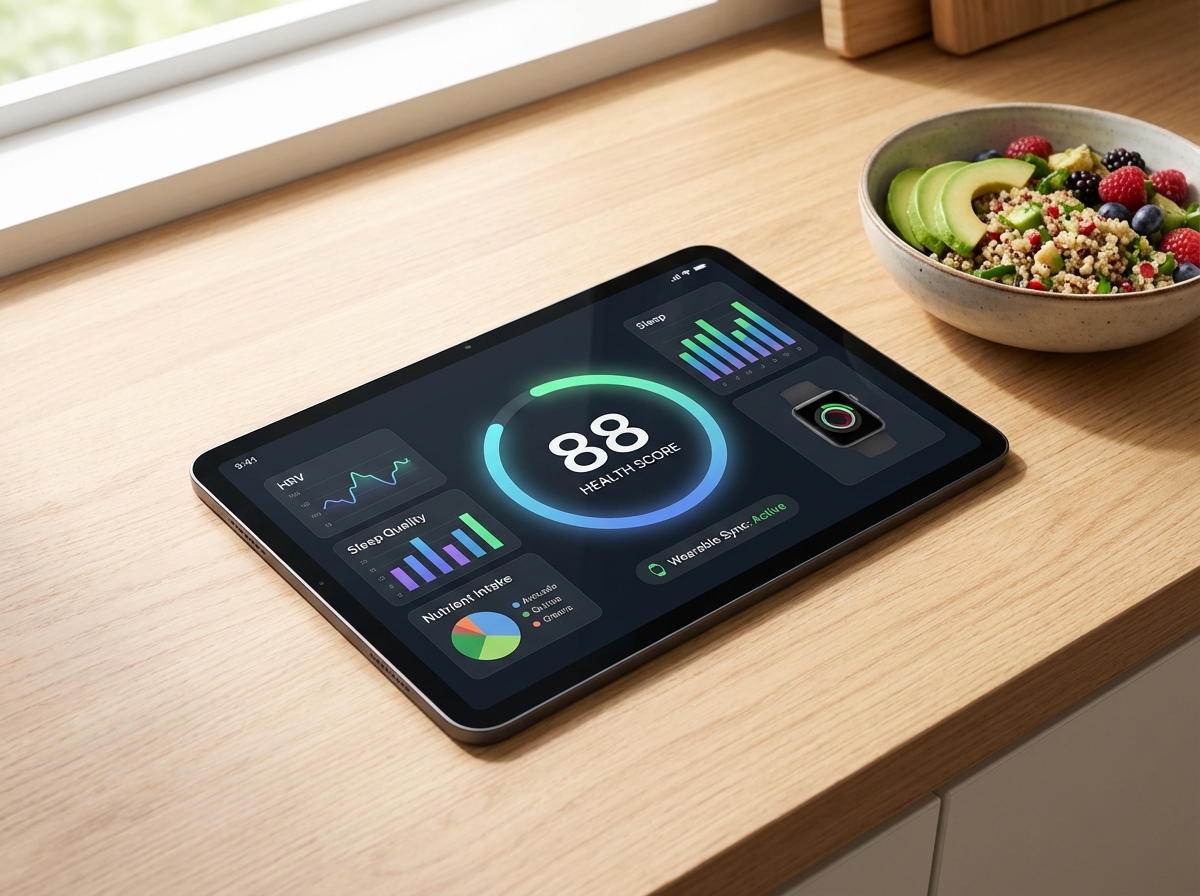
A critical component of this lifecycle is the use of health score tracking videos. By ingesting data from wearables and lab results via APIs, brands can send periodic, dynamic progress videos that visualize improvements in metrics like HRV, sleep quality, or body composition. These videos reinforce the efficacy of the products and the plan, making the intangible benefits of nutrition visible and rewarding for the consumer.
Solutions like TrueFan AI demonstrate ROI through these lifecycle interventions by significantly reducing churn and increasing the lifetime value of each subscriber. When a user receives a personalized video celebrating their 30-day “streak” or offering a specific snack swap based on their recent activity data, the brand moves from being a mere vendor to a proactive health partner. This deep integration into the user's daily routine is the hallmark of successful 2026 wellness marketing.
Sources:
Source: TrueFan AI: Nudge Theory in Video Implementation
Source: Glanbia Nutritionals: Megatrends in Functional Nutrition 2026
Source: Inc42: D2C and Personalized Supplement Momentum in India
5. Operational Excellence: Subscription Personalization and Coaching Automation
To maintain growth, enterprise brands must master wellness subscription personalization. This involves more than just a recurring order; it requires a dynamic “build-a-bundle” approach where recommendations are tuned to the user's consumption velocity and evolving health goals. If the data shows a user is consistently hitting their protein targets but missing their fiber goals, the next subscription box should automatically suggest a fiber-rich add-on, accompanied by a video explaining the benefit.
Nutrition coaching automation further enhances this by providing automated video answers to frequently asked questions and scheduled check-ins. When the system detects a plateau or a drop in engagement, it can trigger an escalation to a live registered dietitian. This hybrid model ensures that human expertise is reserved for the most complex cases, while the majority of users receive high-quality, automated support that keeps them on track.
Holistic nutrition video campaigns tie all these elements together by integrating diet, sleep, and movement into a single narrative. By addressing the “whole person,” brands can appeal to the 2026 consumer's desire for comprehensive wellness solutions. These campaigns, tailored by persona—whether it’s a busy professional or a senior focusing on longevity—ensure that the marketing message remains relevant across different life stages and health priorities.
Sources:
Source: TrueFan AI: 2026 Marketing Technology Budget Planning
Source: FSSAI: Compendium of Nutraceuticals and Health Supplements
Source: TrueFan AI: Personalized Video Ads Tips
6. The Enterprise Blueprint: Architecture, Compliance, and ROI Pilot
Implementing personalized nutrition marketing 2026 at an enterprise scale requires a robust technical architecture. The stack must seamlessly connect the CDP/CRM to a video generation engine, allowing for real-time rendering and omnichannel delivery via WhatsApp, email, or mobile apps. Security and compliance are paramount, requiring ISO 27001 and SOC 2 certifications to handle sensitive health data, alongside a rigorous workflow for FSSAI claim substantiation in every video script.
A 90-day pilot plan is the most effective way to demonstrate the value of this approach. The first 15 days should focus on data integration and template scripting, followed by a 30-day launch of AI health assessment videos for a specific cohort. The final 45 days are dedicated to scaling the health score tracking videos and measuring the lift in conversion and retention. This phased approach allows for rapid iteration and QA, ensuring the system is optimized before a full-scale rollout.
The ROI model for such a pilot should focus on three key metrics: assessment completion rate, plan purchase conversion, and 90-day subscription retention. By comparing the test cohort against a control group receiving standard marketing, brands can clearly quantify the impact of personalized video on their bottom line. In the competitive 2026 landscape, this data-driven approach to creative execution is what separates market leaders from those left behind.
Sources:
Source: TrueFan AI: AI Video Sales Letter Creator
Source: TrueFan AI: Navratri Marketing Campaign Orchestration
Source: FSSAI: Direction on Health Supplements and Nutraceuticals
Frequently Asked Questions
How do we ensure medical safety and avoid overpromising in automated videos?
Safety is managed through a multi-layered governance system within the nutrition recommendation engine. We implement strict allergen matrices and religious dietary filters that block unsafe or unwanted recommendations. Furthermore, all video scripts are mapped to FSSAI-permitted health claims, and dynamic on-screen disclaimers are used to ensure that automated advice is never mistaken for a medical diagnosis or treatment for a specific disease.
How does data privacy work when handling sensitive health and wearable data?
Enterprise solutions prioritize privacy-by-design, adhering to ISO 27001 and SOC 2 standards. We utilize a minimal data principle, only ingesting the specific metrics required to personalize the user's experience. Explicit user consent is secured at every stage of the journey, and all data is encrypted both in transit and at rest, with comprehensive audit logs maintained for compliance and security reviews.
What languages can be supported, and how fast is the video rendering?
In the globalized market of 2026, multilingual support is essential. Our system supports over 175 languages, allowing brands to localize their personalized nutrition marketing 2026 for diverse regions. The rendering engine is optimized for speed, typically producing a fully personalized, high-definition video in under 30 seconds, ensuring that the user receives their assessment or progress update while their intent is still high.
What are the typical ROI ranges for personalized nutrition videos?
While results vary by brand and audience, enterprise pilots typically see a 20–40% lift in assessment completion rates and a 15–30% increase in plan purchase conversions. Long-term retention, measured by 90-day subscription adherence, often sees a 10–20% improvement. These metrics contribute to a significantly lower CAC and a higher LTV, providing a clear path to profitability for personalized wellness initiatives.
How does TrueFan AI integrate with our existing marketing and data stack?
TrueFan AI is designed for seamless enterprise integration, connecting directly with your CDP, CRM, and eCommerce platforms via robust APIs. This allows for automated triggers based on user actions—such as completing a survey or reaching a fitness milestone—ensuring that the right personalized video is delivered at the perfect moment in the customer journey without manual intervention from your marketing team.
Final Summary of Strategic Implementation
The transition to personalized nutrition marketing 2026 is an operational imperative for wellness brands seeking to thrive in an increasingly sophisticated D2C environment. By leveraging AI health assessment videos, a robust nutrition recommendation engine, and automated lifecycle mapping, enterprises can deliver a level of service that was previously reserved for high-end coaching. The key to success lies in the balance of cutting-edge technology, behavioral science, and rigorous regulatory compliance. As you plan your 2026 martech budget, the integration of personalized video should be viewed not just as a creative upgrade, but as a fundamental driver of measurable business growth and consumer trust.



