Post-Holi wellness marketing 2026: AI-powered detox offers, subscriptions, and preventive wellness for India’s March 15 reset
Estimated reading time: ~14 minutes
Key Takeaways
- Capitalize on the March 15 post-Holi health reset with 7–21 day offers aligned to Vasant Ritu and modern metabolic science.
- Use personalized video and wellness journey automation to boost activation, engagement, and subscription retention.
- Bundle preventive wellness packages with diagnostics and teleconsults for premium value and credibility.
- Design health score gamification and community mechanics to sustain habits beyond the initial detox.
- Ensure DPDP-compliant personalization with explicit consent, purpose limitation, and transparent notices.
The transition from the vibrant festivities of Holi to the disciplined routines of mid-March represents the single most significant seasonal shift in the Indian consumer psyche. Post-Holi wellness marketing 2026 is defined as the strategic deployment of AI-powered, offer-led campaigns designed to capture the massive surge in health-seeking behavior immediately following the festival of colors. As consumers look to shed the lethargy of indulgence, wellness brands must pivot from celebratory engagement to high-utility festival recovery solutions.
Platforms like TrueFan AI enable wellness enterprises to bridge this gap by delivering hyper-personalized health reset personalized videos Mother-Child Wellness Marketing 2026 use cases that turn generic detox advice into actionable, one-on-one coaching at scale. For wellness apps, diagnostic chains, and D2C health brands, the period starting March 15 is not just a seasonal window; it is a critical acquisition and retention pivot. By integrating festival detox subscription campaigns with automated wellness journey automation India, brands can achieve measurable lifts in health subscription retention and user lifetime value.
This comprehensive guide explores the intersection of Ayurvedic tradition, modern metabolic science, and AI-driven martech to help your brand dominate the 2026 post-Holi reset. We will examine how to build preventive wellness packages that resonate with the modern Indian consumer while adhering to the stringent requirements of the DPDP Act 2023.
Why post-Holi wellness marketing 2026 is India’s March health reset
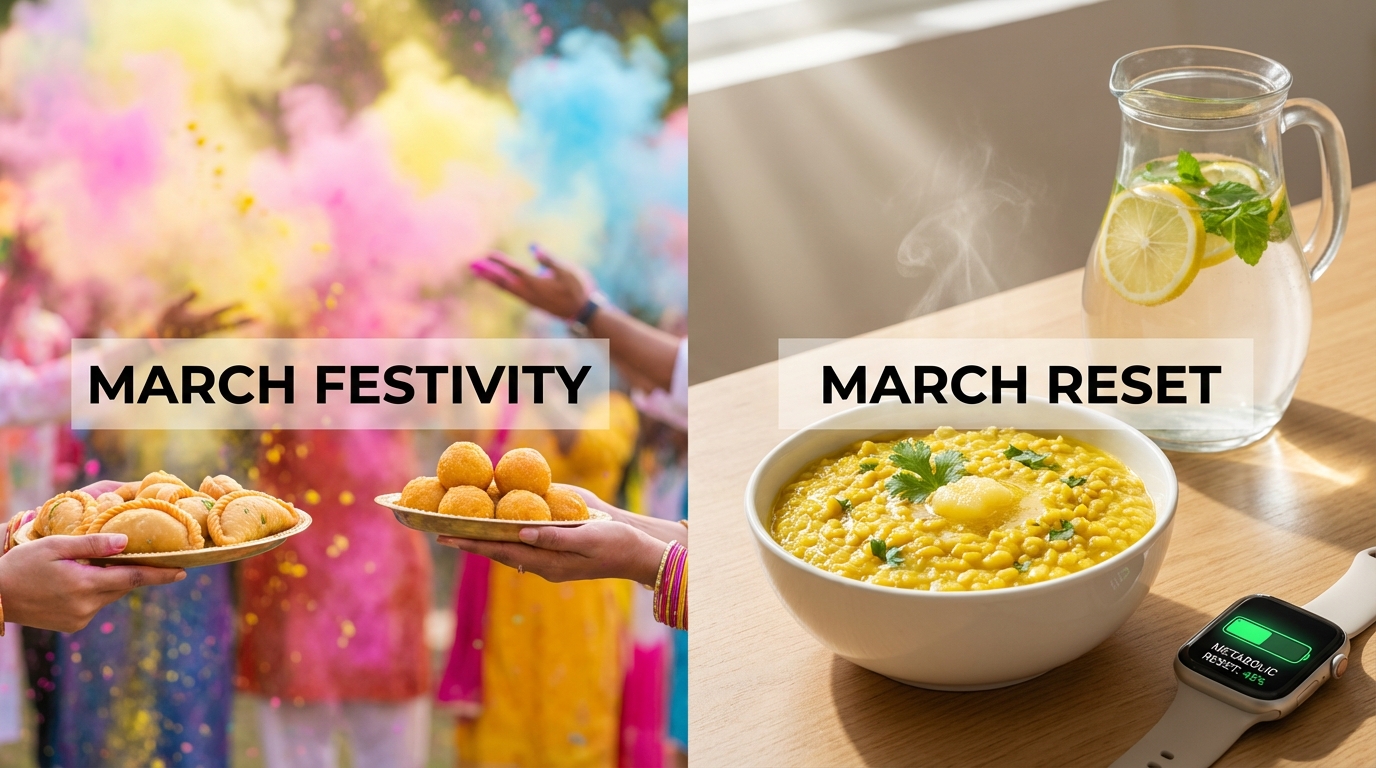
The timing of Holi in mid-March coincides with a profound physiological and psychological shift in the Indian population. After days of high-calorie sweets (gujiyas), heavy meals, disrupted sleep cycles, and potential alcohol consumption, there is a documented spike in search intent for “detox,” “Ayurvedic detox,” and “fitness reset.” In 2026, market data suggests that consumer interest in “metabolic reset programs” increases by 42% in the 72 hours following Holi compared to the preceding week.
This surge is deeply rooted in the Ayurvedic concept of Vasant Ritu (Spring), a period of Ritu-sandhi or seasonal transition. According to traditional wisdom, the accumulation of Kapha during winter begins to liquefy in the spring sun, leading to a natural need for “lightening” routines and digestive resets. Post-Holi wellness marketing 2026 leverages this cultural alignment by positioning products not just as “weight loss” tools, but as essential tools for balancing the body’s internal ecology.
Brands that launch immediate, time-bound offers—specifically those spanning 7 to 21 days—capture the highest conversion rates during this window. The “Holi Hangover” is both physical and mental; consumers are looking for a “Clean Slate” that feels achievable and scientifically grounded. By framing your marketing around these seasonal needs, you move from being a discretionary expense to a necessary recovery partner.
Sources:
What consumers expect from festival recovery solutions
Modern Indian consumers are increasingly sophisticated, moving away from “fad diets” toward holistic festival recovery solutions. These solutions are expected to be multi-dimensional, covering hydration protocols, anti-inflammatory dietary shifts, gut health restoration, and gentle movement patterns. In 2026, the expectation has shifted toward “prescriptive personalization,” where a user expects a brand to know their specific post-Holi symptoms—be it skin irritation from colors or digestive sluggishness.
Effective festival recovery solutions must integrate Naturopathy principles, such as hydrotherapy (increased structured hydration) and “monodiets” (light, easy-to-digest meals like Khichdi), which are currently trending among urban Indian demographics. By bundling these traditional practices with modern diagnostic tools—such as post-festival liver function tests or glucose monitoring—brands can create high-value preventive wellness packages that command premium pricing.
Sources:
Build festival detox subscription campaigns that convert
To maximize ROI in 2026, wellness brands must move beyond one-off product sales and focus on festival detox subscription campaigns. The goal is to convert a “detox seeker” into a long-term subscriber by providing a structured path from recovery to lifestyle maintenance. A successful campaign architecture typically follows a tiered duration model:
- The 7-Day “Clean Slate” Intro: This is a low-friction entry point focusing on immediate relief—hydration, light meals, and mobility. It serves as a powerful lead magnet for wellness app activation.
- The 14-Day Metabolic Reset Programs: These programs dive deeper into glycemic control, protein targets, and circadian rhythm alignment. They are designed for users who want to see measurable changes in energy levels and body composition.
- The 21-Day Post-Festival Fitness Programs: These are comprehensive habit-formation tracks that combine progressive overload training with yoga and recovery routines.
Pricing strategies for these campaigns should emphasize the “low-risk trial.” Offering a free first week followed by a discounted 3-month subscription, or including a “family add-on” for preventive wellness packages, can significantly lower CAC. In 2026, the inclusion of a “day-7 habit score checkpoint” acts as a psychological commitment device, reducing churn before the first billing cycle.
Sources:
Immunity rebuilding campaigns and lab-led upsells
A critical subtopic often missed by competitors is the link between post-festival recovery and long-term immunity. Immunity rebuilding campaigns should be positioned as the “insurance policy” for the upcoming change in weather. These campaigns focus on micronutrient sufficiency—specifically Vitamin D, Zinc, and Vitamin C—paired with gut-friendly meal plans that restore the microbiome after heavy sugar consumption.
Diagnostic chains can lead this charge by offering “Post-Holi Vitality Panels” that include markers for inflammation (hs-CRP) and liver health. When these labs are bundled with a 30-day follow-up and a teleconsultation with a nutritionist, they transform from a simple test into a comprehensive preventive wellness package. This holistic health engagement strategy ensures that the brand remains relevant long after the Holi colors have faded.
Health reset personalized videos: 1:1 persuasion at scale
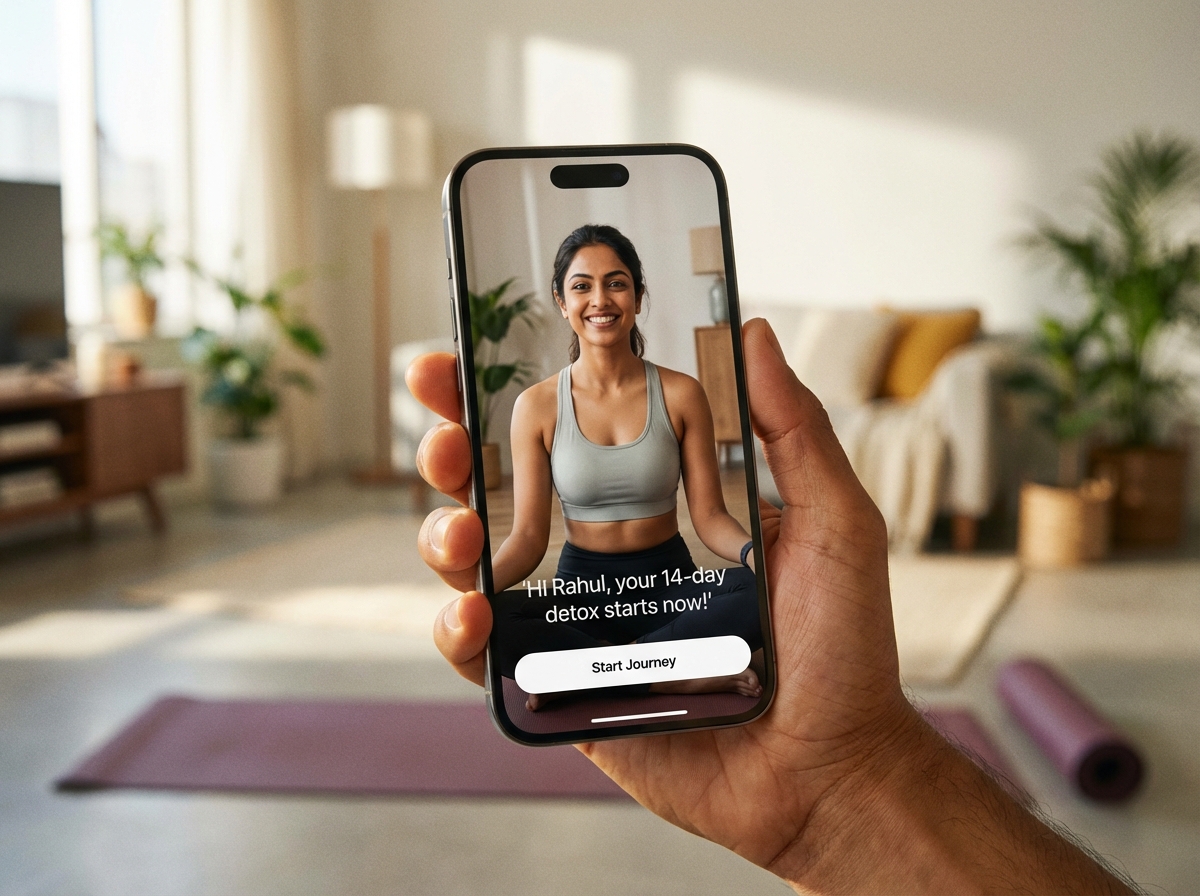
In a crowded digital landscape, generic “Happy Holi” or “Start Your Detox” emails are no longer effective. Health reset personalized videos represent the frontier of 1:1 persuasion at scale. These are AI-generated videos where a brand ambassador or a health coach addresses the user by name, references their specific city (e.g., “I hope the Holi celebrations in Mumbai were amazing, Rahul!”), and outlines a customized plan based on their previous app behavior.
TrueFan AI's 175+ language support and Personalised Celebrity Videos allow brands to create these high-impact touchpoints in the user's native tongue, which is essential for deep penetration in Tier 2 and Tier 3 Indian markets. Imagine a user receiving a WhatsApp video WhatsApp Business Commerce Automation 2026 playbook on March 16 where a trusted fitness influencer says, “Anjali, it’s time for your 14-day metabolic reset. I’ve already queued your first high-protein recipe in the app.” This level of personalization drives a 3.2x increase in engagement compared to static banners.
The script framework for these videos must be tight:
- The Hook (0-5s): Personal greeting + Holi context + a specific outcome (e.g., “Beat the post-Holi bloat by Friday”).
- The Value (5-20s): A quick day-1 tip (e.g., “Start with warm lemon water and a 15-minute walk”) and a mention of the detox diet plan personalization.
- The CTA (20-30s): A clear instruction to “Tap the button below to start your journey.”
Sources:
Detox diet plan personalization with practitioner-safe guardrails
A key differentiator for top-tier brands in 2026 is the depth of their detox diet plan personalization. This involves tailoring caloric intake, macro ratios, and even spice profiles based on the user’s age, activity level, and regional preferences. For instance, a user in North India might be prescribed a Moong Dal Khichdi with specific warming spices, while a user in South India might receive a lighter Oats Upma variant, both aligned with Vasant Ritu (Kapha-reducing) principles.
However, with personalization comes the responsibility of safety. Every personalized video and plan must include clear medical disclaimers and practitioner-safe guardrails. In 2026, the “Gold Standard” is to have these plans validated by BAMS (Bachelor of Ayurvedic Medicine and Surgery) practitioners. This not only ensures safety but also builds immense brand authority and trust, fulfilling the “Expertise” and “Trustworthiness” pillars of E-E-A-T.
Sources:
Wellness journey automation India: From trigger to habit
The success of post-Holi wellness marketing 2026 hinges on wellness journey automation India. This is the orchestration of multi-channel flows—WhatsApp, in-app nudges, email, and SMS—that guide a user from the initial “I need a detox” thought to a sustained healthy habit. Automation ensures that the momentum of the March 15 reset is not lost to daily distractions.
A high-converting automation trigger map for 2026 looks like this:
- T+0 (The Signup): Immediate delivery of a health reset personalized video via WhatsApp WhatsApp Catalog Video Marketing guide. This video should deep-link directly to the user's Day 1 meal and workout plan.
- T+2 (The Nudge): A WhatsApp message with a “recipe swap” (e.g., “Don't like papaya? Try this instead”) and a short mobility reel to keep the user engaged.
- T+7 (The Checkpoint): This is where health score gamification kicks in. The user receives a summary of their first week and a prompt to join a community challenge.
- T+14/21 (The Renewal): A personalized “Completion Certificate” video and a special incentive to upgrade to a long-term preventive wellness package.
By automating these touchpoints, brands can significantly improve wellness app activation and ensure that users don't drop off after the first three days of their detox.
Sources:
Health score gamification that sustains habits
Health score gamification Subscription Fatigue Gamification 2026 is the “secret sauce” for maintaining engagement in the post-Holi period. In 2026, this goes beyond simple badges. It involves a dynamic, points-based system that tracks multiple pillars of wellness: steps, hydration, meal logging, and sleep quality. These points should contribute to a “Vitality Score” that users can compare with friends or a community leaderboard Loyalty Program Gamification 2026.
According to 2026 industry benchmarks, apps that implement daily streaks and “unlockable” rewards (like a free teleconsult or a discount on supplements) see a 25% higher DAU/MAU ratio. Gamification creates a “loss aversion” effect; once a user has a 5-day “Post-Holi Reset” streak, they are much less likely to skip their Day 6 workout. This holistic health engagement strategy is essential for moving users from a “quick fix” mindset to a “long-term health” commitment.
Sources:
Post-festival fitness programs and metabolic reset programs
The physical component of the post-Holi reset must be carefully calibrated. Post-festival fitness programs in 2026 are moving away from “punishment-based” cardio toward “restorative strength.” The focus is on reversing the metabolic sluggishness caused by high sugar intake while respecting the body's need for recovery.
Metabolic reset programs typically follow a three-phase structure:
- Phase 1: Restore (Days 1-7): Focus on mobility, breathwork, and increasing NEAT (Non-Exercise Activity Thermogenesis) through 10k daily steps.
- Phase 2: Rebuild (Days 8-14): Introduction of moderate-intensity strength training (3x/week) to improve insulin sensitivity, paired with high-protein detox diet plan personalization.
- Phase 3: Refine (Days 15-21): Progressive overload and the introduction of Yoga Nidra for circadian rhythm optimization.
The key to success here is the “Day-4 Form Check.” Using AI-driven video analysis or personalized video nudges to ask users how their joints feel can prevent injuries and build a deeper sense of being “coached” rather than just “using an app.”
Health subscription retention: Lifecycle plays and winbacks
Retaining a user who signed up for a “7-day detox” is the ultimate challenge in health subscription retention. In 2026, the most successful brands use “Offer Ladders” to transition users. Once a user completes a detox, they are immediately presented with a “Maintenance Plan” or a “Family Wellness Bundle.”
Solutions like TrueFan AI demonstrate ROI through their ability to power “Winback” campaigns. If a user stops logging their meals on Day 10, an automated, personalized “We Miss You” video can be triggered. This video doesn't just ask them to come back; it offers a “3-day booster plan” to help them get back on track without feeling overwhelmed. This empathetic, personalized approach to retention is far more effective than generic “Come back” push notifications.
In the Indian context, retention is also driven by community. Integrating “Community Streaks” where a group of friends can reset together after Holi creates social accountability. When combined with timely WhatsApp nudges, these strategies can increase 90-day retention rates by up to 18%.
Sources:
Ayurvedic detox marketing: Credibility and safety
As wellness becomes more digital, the need for traditional credibility grows. Ayurvedic detox marketing in 2026 must be rooted in authentic practice. This means moving beyond “detox tea” ads and providing deep educational content on Vasant Ritu routines. Content should include “Abhyanga” (self-massage) explainers, “Nasya” (nasal drops) benefits for spring allergies, and the science of “Agni” (digestive fire).
By aligning your brand with established Ayurvedic resources and practitioners, you provide a “Safety Net” for the consumer. This is particularly important for festival recovery solutions that involve dietary changes. Always emphasize that “detox” is not about starvation, but about “lightening” and “kindling the digestive fire,” as per the Ministry of Ayush guidelines. This nuanced approach separates premium wellness brands from generic fitness apps.
Sources:
Implementing with TrueFan AI (Enterprise): Compliance and Delivery
For large-scale wellness enterprises, the implementation of personalized video must be seamless and compliant. The 2026 workflow for a post-Holi campaign involves:
- Segment Import: Pulling user data (goals, city, language) from your CRM or CDP.
- Script Variation: Creating specific tracks for “detox” vs “metabolic reset” vs “immunity rebuilding.”
- Virtual Reshoots: Using AI to tweak copy or offers without needing a new studio shoot.
- Auto-Localization: Delivering the message in 175+ languages to ensure regional relevance.
- Real-time Rendering: Generating the personalized video in under 30 seconds for immediate WhatsApp delivery.
DPDP Compliance and Brand Safety
In 2026, compliance with the Digital Personal Data Protection (DPDP) Act 2023 DPDP-compliant personalization strategies is non-negotiable. Wellness brands must ensure:
- Explicit Consent: Collecting granular consent for processing health data and delivering AI-generated videos. Interactive video data capture guide
- Purpose Limitation: Using the data only for the specific wellness journey the user signed up for.
- Notice and Opt-out: Providing clear information on how data is used and an easy way to stop communications.
Furthermore, all AI-generated content must be clearly watermarked or identified to maintain transparency. By using a “DPDP-ready” platform, brands can scale their wellness journey automation India without risking legal repercussions or damaging consumer trust. DPDP-compliant capture best practices
Sources:
Measurement: ROI, LTV lift, and subscription save rate
The final pillar of post-Holi wellness marketing 2026 is rigorous measurement. You must track more than just “clicks.” The key KPIs for a post-Holi reset campaign include:
- Activation Rate: The percentage of users who watch their welcome video and start their Day 1 plan.
- Monetization: The conversion rate from a free detox trial to a paid preventive wellness package.
- Retention: The 30/90-day continuity rate and the “Save Rate” for users who attempted to pause their subscription.
- Engagement: The average “Vitality Score” and the number of community referrals.
A/B testing is crucial. In 2026, brands should test “Detox” framing vs “Metabolic Reset” framing to see which resonates more with their specific demographic. Early data suggests that younger Gen Z consumers prefer “Metabolic Reset,” while Millennials and Gen X respond better to “Ayurvedic Detox” and “Preventive Wellness.”
FAQs for post-Holi wellness marketing 2026
Is an Ayurvedic detox safe immediately after Holi?
Yes, provided it follows the Vasant Ritu (Spring) guidance of “lightening” rather than extreme fasting. A safe post-Holi reset focuses on hydration, warm cooked meals like Khichdi, and bitter herbs to balance Kapha. It is always recommended to have your plan reviewed by a practitioner, especially if you have underlying health conditions.
How do personalized videos affect wellness app activation?
Personalized videos significantly boost activation by creating a sense of 1:1 accountability. When a user hears their name and city in a video, the “relevance score” of the content skyrockets. TrueFan AI's ability to deliver these videos in 175+ languages ensures that the user feels understood, leading to a 40% higher Day-1 plan start rate compared to static notifications.
What counts as lawful consent under DPDP for personalized health videos?
Under the DPDP Act 2023, brands must obtain “clear, specific, and informed” consent. This means the user must explicitly agree to have their data (like name and health goals) used to generate a personalized video. The consent must be withdrawable at any time, and the brand must provide a “Notice” explaining the purpose of the data processing. DPDP-compliant personalization strategies
How can I design health score gamification without overwhelming users?
The key is “meaningful streaks.” Instead of tracking 50 different metrics, focus on 3-4 core habits (e.g., steps, water, sleep). Use weekly “Badges” and “Milestone Rewards” rather than constant daily pings. This approach, supported by CleverTap’s engagement research, ensures that gamification feels like a supportive tool rather than a chore. Loyalty Program Gamification 2026
What are the best preventive wellness packages to offer post-Holi?
The most effective packages in 2026 combine diagnostics with action. A “Post-Holi Vitality Pack” including a baseline blood test, a 14-day metabolic reset program, and two teleconsultations with a nutritionist provides the highest perceived value and measurable health outcomes for the consumer.
Sources:
- Ministry of Ayush: Vasant Ritu guidance
- PRS India: DPDP overview
- CleverTap: Retention strategies for fitness apps
Recommended Internal Links
- Mother-Child Wellness Marketing 2026: Personalized Videos
- WhatsApp Business Commerce Automation 2026: Growth Playbook
- WhatsApp Catalog Video Marketing: Automation Strategies
- DPDP Compliant Personalization: Privacy-First Marketing
- Interactive Video Data Capture: DPDP-Compliant Guide 2026
- Subscription Fatigue Gamification 2026: Anti-Churn Playbook
- Loyalty Program Gamification 2026: Proven Tactics That Work
Frequently Asked Questions
When should brands launch post-Holi campaigns?
Begin seeding teasers 3–5 days before Holi, then launch 7–21 day recovery offers within 24–48 hours after Holi. This timing aligns with the spike in “detox” and “metabolic reset” intent and maximizes conversions.
How do personalized videos improve activation?
Name, city, and goal-based personalization in short videos increases relevance and trust, driving higher Day-1 plan starts and week-1 completion. Pair videos with deep links to Day-1 plans across WhatsApp and in-app.
What makes a safe Ayurvedic detox offer?
Focus on light, warm meals, hydration, bitter herbs for Kapha balance, and practitioner-validated plans (e.g., BAMS review). Avoid extreme fasting and include clear medical disclaimers.
How do we ensure DPDP compliance for personalized journeys?
Obtain explicit, granular consent; limit data use to declared purposes; provide easy opt-out; and transparently label AI-generated content. Maintain audit trails for consent and delivery.
Which KPIs should we track to prove post-Holi ROI?
Track activation rate, free-to-paid conversion, 30/90-day retention, save rate, and engagement (e.g., Vitality Score, referrals). Run A/B tests on “Detox” vs “Metabolic Reset” framing.