
Pre-monsoon healthcare marketing 2026: India’s enterprise playbook for preventive wellness personalization
Estimated reading time: ~12 minutes
Key Takeaways
- Use hyperlocal health alerts and weather signals to time nudges for seasonal illness prevention.
- Deploy personalization videos with name, language, and city cues to drive actionable prevention.
- Bundle insurance micro-riders and wellness subscriptions to convert awareness into access without fearmongering.
- Measure preventive care ROI via engagement, conversions, and proxy health outcomes.
- Scale responsibly with DPDP-compliant, multilingual execution and compliance-by-design workflows.
The arrival of the pre-monsoon window in March–April 2026 presents a critical strategic inflection point for India’s healthcare and pharmaceutical sectors. As environmental triggers shift, enterprise leaders must pivot from reactive care models to proactive, data-driven engagement. Effective pre-monsoon healthcare marketing 2026 requires a sophisticated blend of ethical behavioral science, hyperlocal data triggers, and hyper-personalized content to drive seasonal illness prevention at scale.
For enterprise healthcare marketers, pharma brand managers, and diagnostic chains, this period is not merely a seasonal peak but a decisive window to establish authority through preventive wellness campaigns India. By leveraging regional health alerts and family health protection automation, brands can transform seasonal health anxiety into structured preventive action, ultimately securing a measurable preventive care ROI.
Why pre-monsoon healthcare marketing 2026 is the crucial window for seasonal illness prevention
The "pre-monsoon window"—specifically the weeks between March and April—serves as the primary preparatory phase before the southwest monsoon’s onset. This period is characterized by rising temperatures and early showers, which historically correlate with a surge in vector-borne and water-borne diseases. According to the National Center for Vector Borne Diseases Control (NCVBDC), dengue transmission and outbreaks rise sharply during monsoon and post-monsoon months, necessitating a ramp-up in prevention and surveillance well before the rains begin.
In 2026, the convergence of data, content, and clinical storytelling has become the gold standard for engagement. Industry insights from Prius Healthcare suggest that healthcare marketing in 2026 is defined by the integration of real-time clinical data with personalized consumer journeys. Furthermore, afaqs! highlights that AI-led content and community-led engagement are the two pillars defining the sector’s growth this year. For enterprises, this means moving beyond generic awareness to precision-targeted interventions that address the specific health risks of diverse Indian demographics.
The urgency is reinforced by recent public health signals. Media reviews from late 2025, such as those by NDTV, cited significant pressures on India’s health infrastructure due to dengue and antibiotic resistance. Proactive community engagement models, like those advocated by the India Health Fund, emphasize that early intervention is the only viable path to reducing the national disease burden. Consequently, pre-monsoon healthcare marketing 2026 must focus on behavior change—initiating household provisioning and hygiene protocols before the first major rainfall.
Sources:
Designing preventive wellness campaigns India that actually change behavior
To move the needle on public health outcomes, marketers must ethically channel "seasonal health anxiety" into constructive agency. This anxiety, driven by rising temperatures and media alerts, can be overwhelming for consumers. The strategic response is to reframe fear into empowerment using education-first messaging and time-bound checklists.
Regional health alerts and hyperlocal triggers that time action
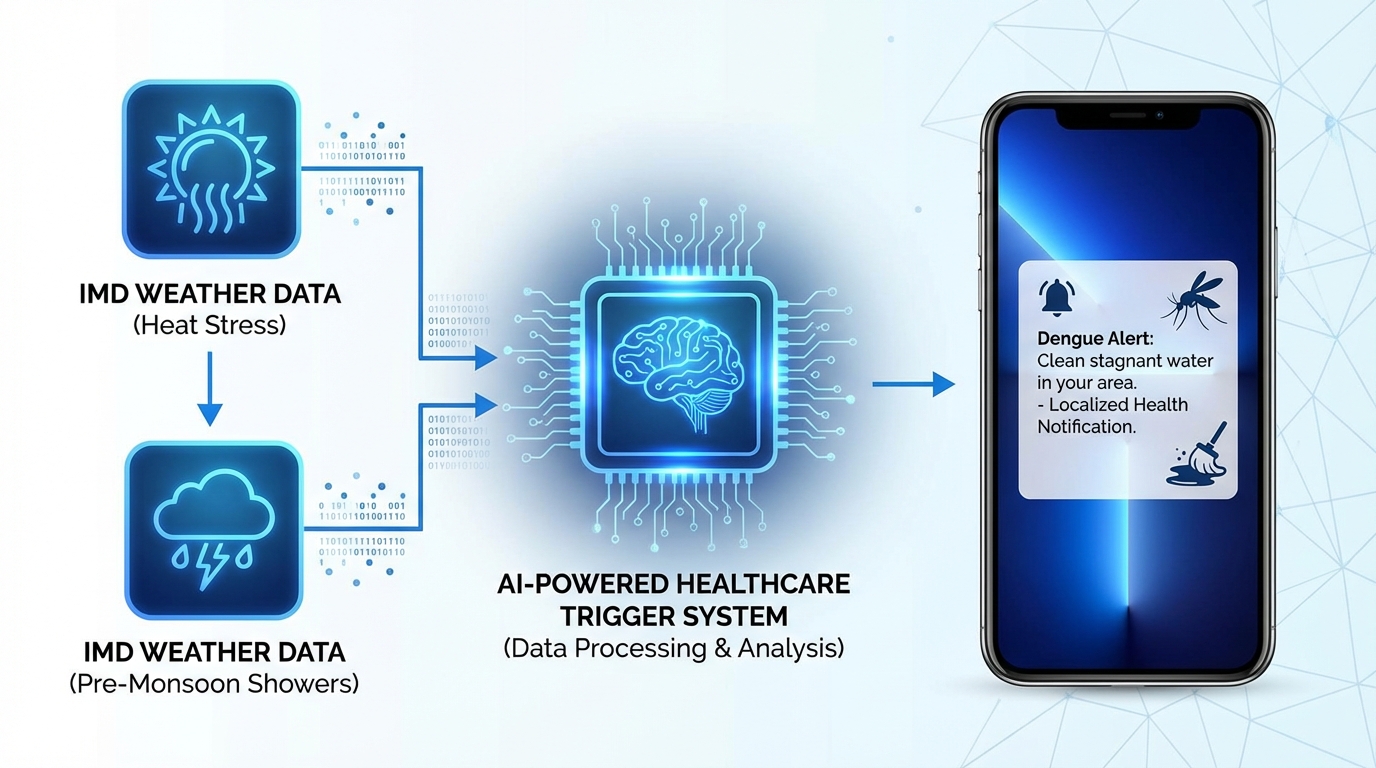
The effectiveness of preventive wellness campaigns India depends on timing. Enterprise systems should now integrate regional health alerts—automated, pin-code level signals that combine India Meteorological Department (IMD) district rainfall/heat alerts with municipal vector-control advisories.
A data-driven trigger map for 2026 includes:
- Heat Stress Triggers: If IMD data shows consecutive days of above-normal heat, systems should push hydration and heat-illness prevention content, specifically targeting senior citizens via medical checkup reminders.
- Pre-Rain Triggers: If IMD forecasts substantial showers within seven days, automation should trigger stagnant water cleanup and mosquito net messaging.
- Larval Index Triggers: If municipal bulletins flag increased larval indices, brands should deploy dengue malaria prevention marketing with ward-specific safety tips.
Family health protection automation and medical checkup reminders
The 2026 playbook prioritizes family health protection automation. This involves API-triggered, sequenced nudges across WhatsApp, SMS, and email that adapt based on local risk profiles. For instance, a journey might begin with a personalized video highlighting the importance of pre-monsoon diagnostics, followed by a WhatsApp quick-reply to book a slot.
Automation logic must be sophisticated:
- Segmented Outreach: Families with children receive prompts for school reopening hygiene kits and pediatric checkups.
- Adherence Cues: Young adults are nudged toward vitamin D/B12 adherence and fitness hydration.
- Closure Loops: If a video is unplayed, the system resends a short teaser; if a booking is initiated but not completed, a one-tap teleconsult option is offered.
Sources:
- IMD: Press releases and alerts
- India Health Fund: Solving the dengue conundrum
- TrueFan AI: Pre-monsoon strategies for 2026
Creative that converts: Personalization videos for prevention
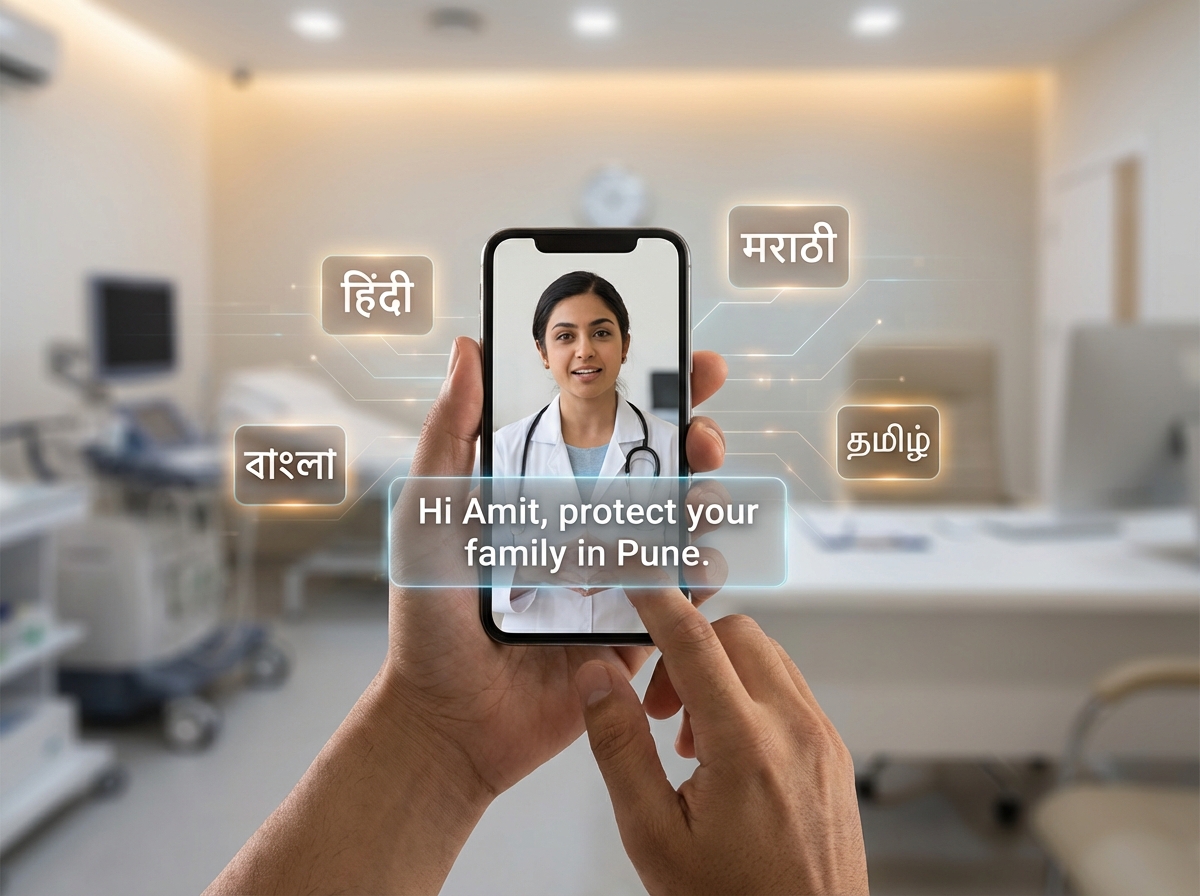
In the high-noise environment of Indian digital commerce, generic content fails to drive clinical action. Personalization is the key to breaking through. Personalization videos in 2026 are AI-generated spots that address the recipient by name, language, and city, incorporating dynamic overlays like local rainfall statistics or municipal advisories.
Immunity booster personalization videos (safe, substantiated messaging)
Immunity booster personalization videos are essential for pharma and wellness brands. These videos should position immune support within the context of a balanced diet and professional clinician guidance. Platforms like TrueFan AI enable enterprises to produce these multilingual short explainers at scale, ensuring that every recipient feels the message is tailored to their specific regional context and health needs.
The script architecture for these videos should follow a strict hierarchy:
- The Hook (0-5s): Personal greeting + local cue (e.g., "Hi Amit from Pune, with the first showers expected this Tuesday...").
- The Education: Top three preventive actions validated by public health advisories.
- The CTA: Direct link to book a checkup or subscribe to a wellness subscription India.
- The Disclaimer: Mandatory med-legal text ensuring the content is for educational purposes only.
Monsoon disease awareness videos for dengue malaria prevention marketing
For dengue malaria prevention marketing, the focus shifts to vector source reduction and early symptom recognition. These monsoon disease awareness videos must be localized into Hindi, Marathi, Bengali, Tamil, and other regional languages to ensure maximum comprehension. By using AI-localized spots, brands can mention specific ward-level risks, making the preventive advice feel immediate and non-negotiable.
Sources:
- TrueFan AI: Pre-monsoon tips for 2026 campaigns
- NCVBDC: Clinical management guidelines for dengue (PDF)
Commerce without fear: Bundling health insurance seasonal offers and wellness subscription India
Enterprise marketing must bridge the gap between awareness and access. This is achieved by integrating commerce moments into the preventive journey without resorting to fearmongering. The goal is to provide "Monsoon Shield" solutions that simplify the consumer’s path to protection.
Health insurance seasonal offers and wellness subscriptions
In 2026, health insurers are moving toward micro-riders. Health insurance seasonal offers now include specific dengue/malaria cash benefits or OPD bundles tied to the pre-monsoon window. These offers are personalized based on the user’s age, city claims history, and family composition.
Simultaneously, the wellness subscription India model is gaining traction. These bundles often include:
- Diagnostics: CBC and platelet count monitoring if clinically indicated.
- Teleconsult Credits: Immediate access to physicians during peak fever season.
- Preventive Kits: Repellents, water purifier filters, and evidence-based supplements.
Merchandising: Purifiers, repellents, and supplements
The pre-monsoon phase is the peak period for water purifier offer campaigns. These should be triggered by data regarding local water turbidity risks. Similarly, mosquito repellent marketing should focus on family-safe solutions, bundled with larvicide tablets for home use.
For pharmaceutical brands, vitamin supplement urgency marketing should be aligned with adherence cycles. Rather than generic "stock up" messages, brands should use evidence-based education to explain how specific supplements support the body's natural defenses during seasonal transitions.
Sources:
Measuring preventive care ROI and optimizing for lift
The ultimate validation of any enterprise campaign is the preventive care ROI. This is calculated by measuring the incremental margin from preventive actions against the total campaign costs. In 2026, this metric includes both commercial gains (sales of subscriptions/policies) and health-proxy gains (reduction in claims or OPD visits in the target cohort).
Key Performance Indicators (KPIs) for 2026 include:
- Engagement Depth: Video completion rates and WhatsApp interaction depth.
- Conversion Metrics: Medical checkup reminders leading to confirmed bookings and policy rider add-ons.
- Health Outcomes: Vector-proofing checklist completions and a measurable reduction in dengue-related claims in exposed vs. holdout groups.
Solutions like TrueFan AI demonstrate ROI through rapid, compliant scale and real-time rendering. By using a single short shoot to generate thousands of localized variants, enterprises can reduce time-to-market and significantly lower the cost per acquisition. Advanced dashboards allow marketers to track view-through rates and conversion lifts by specific personalization elements, such as the impact of using the customer's name in the first five seconds.
Sources:
Enterprise execution with TrueFan AI: Scaling multilingual personalization responsibly
Executing a national-scale pre-monsoon campaign in India requires navigating immense linguistic and regulatory complexity. TrueFan AI's 175+ language support and Personalised Celebrity Videos allow brands to bridge the gap between corporate messaging and local trust.
The enterprise execution blueprint involves:
- Virtual Reshoots: Updating lines (like local rainfall warnings) without new shoots, ensuring content remains fresh as the monsoon progresses.
- Hyper-personalization: Dynamically inserting name, city, and policy status into high-quality video templates.
- Multilingual Scale: Perfect lip-sync and voice retention across 175+ languages, ensuring the message resonates in every tier-2 and tier-3 market.
- Compliance-by-Design: Adhering to India’s DPDP Act 2023 and the ASCI code. TrueFan AI’s platform is ISO 27001 and SOC 2 compliant, providing the security infrastructure required for regulated healthcare data.
Case studies from 2025 and 2026 demonstrate the power of this approach. For instance, Zomato delivered 354,000 personalized videos in a single day, while Hero MotoCorp scaled to 2.4 million festive greetings. In the healthcare space, brands like Cipla have utilized these tools to engage doctors and patients with high-precision messaging.
Sources:
Summary of Compliance and Risk Management
For any pre-monsoon healthcare marketing 2026 initiative, compliance is non-negotiable. Marketers must:
- Avoid Unsubstantiated Claims: Use "may help support" rather than "cures" or "treats" for OTC products and supplements.
- Prioritize Consent: Ensure all data used for family health protection automation is collected under the DPDP Act 2023 guidelines, with clear opt-in and opt-out mechanisms.
- Include Disclaimers: Every video and interactive flow must state that the information is for educational purposes and not a substitute for professional medical advice.
By following this enterprise playbook, healthcare brands can lead the charge in India’s 2026 preventive wellness revolution, driving better health outcomes and robust business growth simultaneously.
Recommended Internal Links
Frequently Asked Questions
What is the most effective time to start pre-monsoon healthcare marketing 2026?
The ideal window is March to April. This allows brands to influence behavior before the actual onset of the monsoon, ensuring households are provisioned with repellents, water purifiers, and health insurance riders before disease transmission peaks.
How do regional health alerts improve campaign performance?
By integrating IMD and municipal data, brands can send just-in-time notifications. For example, a nudge to clean stagnant water is far more effective when sent 48 hours before a forecasted heavy downpour in a specific pin code.
Can personalization videos be used for regulated pharmaceutical products?
Yes, provided they focus on disease awareness and preventive wellness rather than promoting Rx-only products. All videos must include prominent med-legal disclaimers and adhere to ASCI guidelines. TrueFan AI ensures that all content is generated within a secure, moderated framework to maintain compliance.
What metrics define a successful preventive care ROI?
Success is measured by a combination of commercial conversions (such as wellness subscription India sign-ups) and health outcomes (for example, increased medical checkup bookings and a reduction in seasonal illness claims among the target audience).
How does TrueFan AI handle the linguistic diversity of the Indian market?
TrueFan AI supports over 175 languages with advanced AI lip-sync and voice retention technology. This allows a single creative concept to be localized for every state in India, ensuring that monsoon disease awareness videos are culturally and linguistically relevant to every citizen.



